Project · Photo Book
Venice –
A Living
Panopticon
 01
01 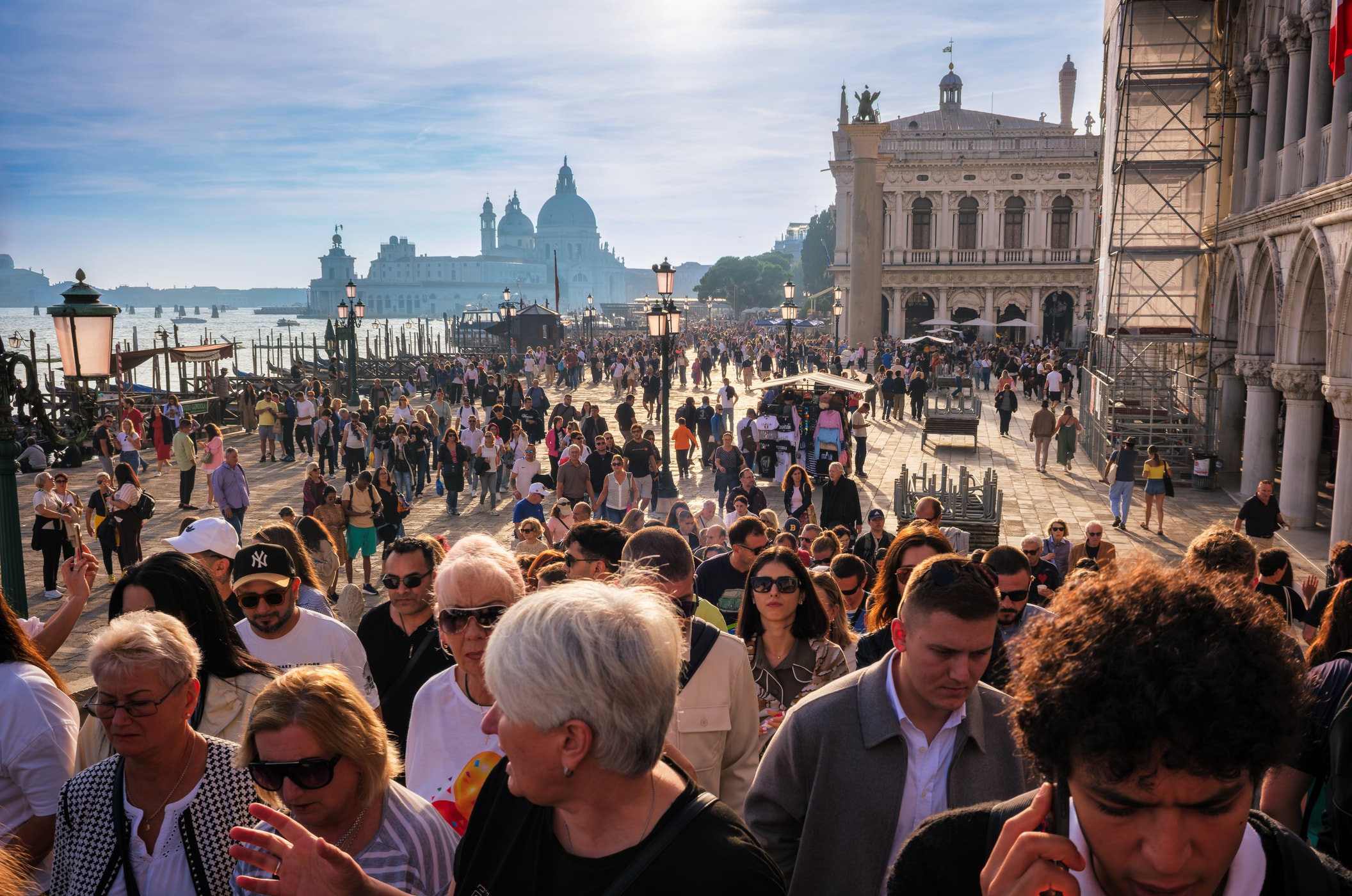 02
02 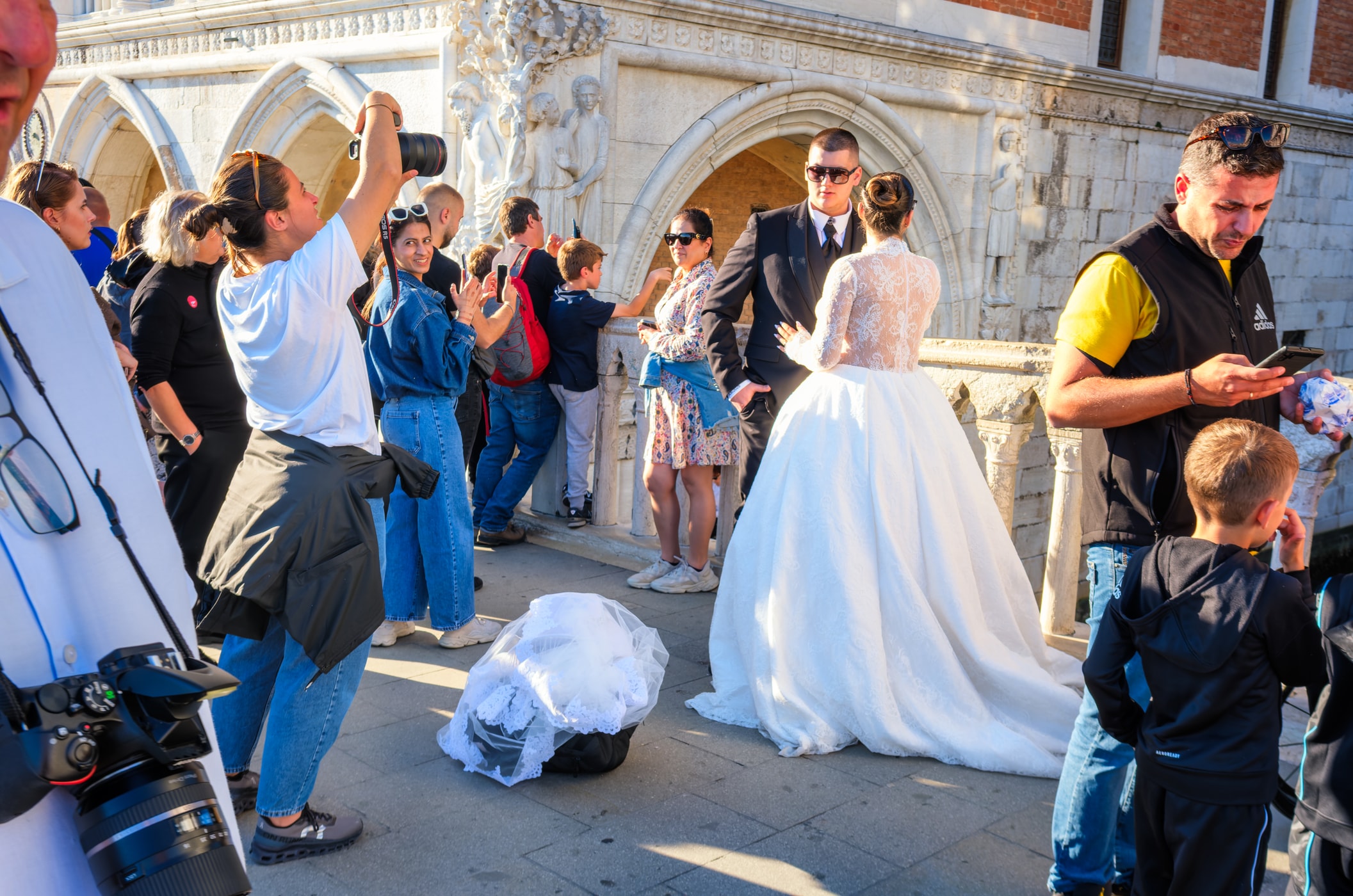 03
03 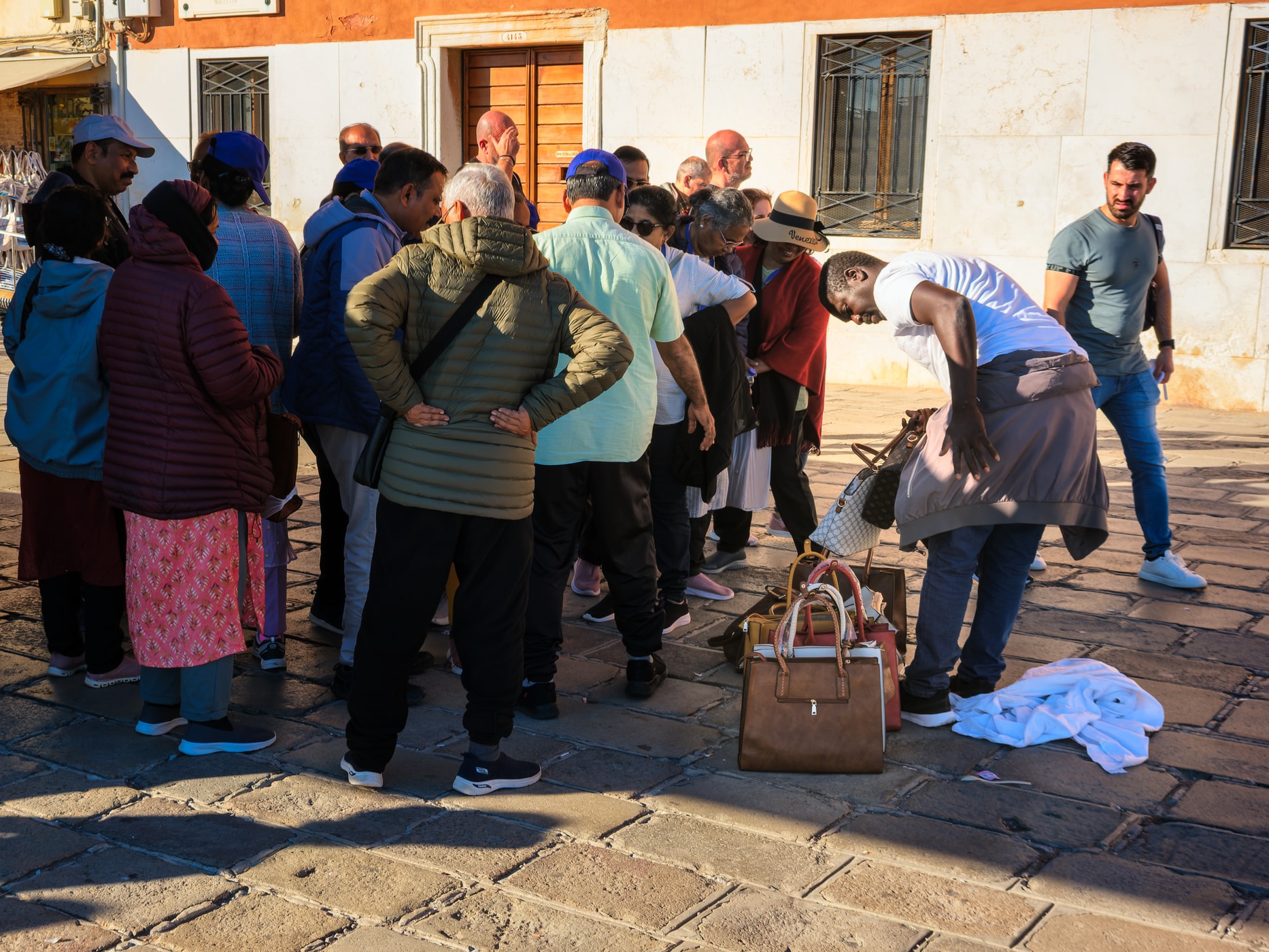 04
04 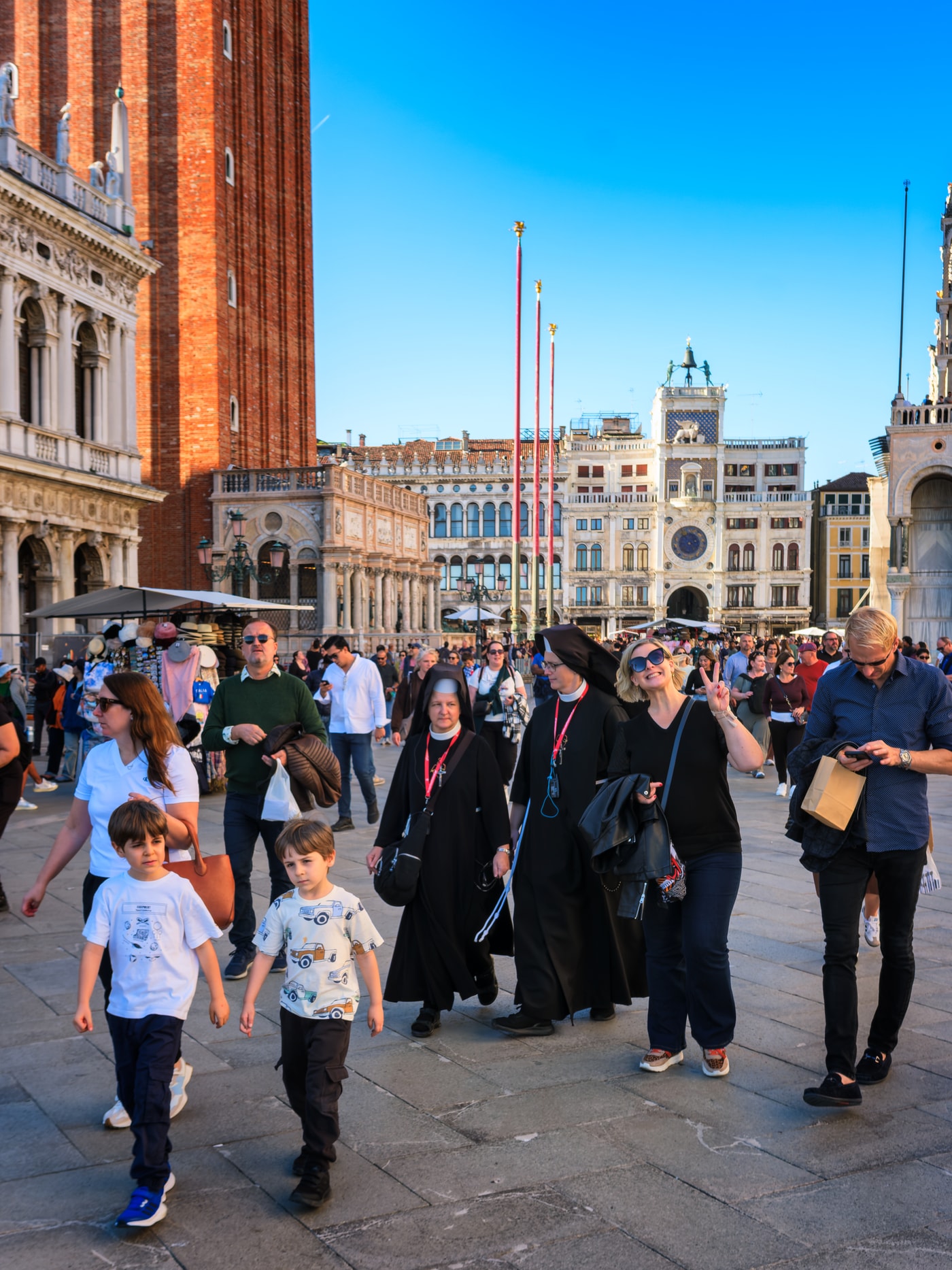 05
05 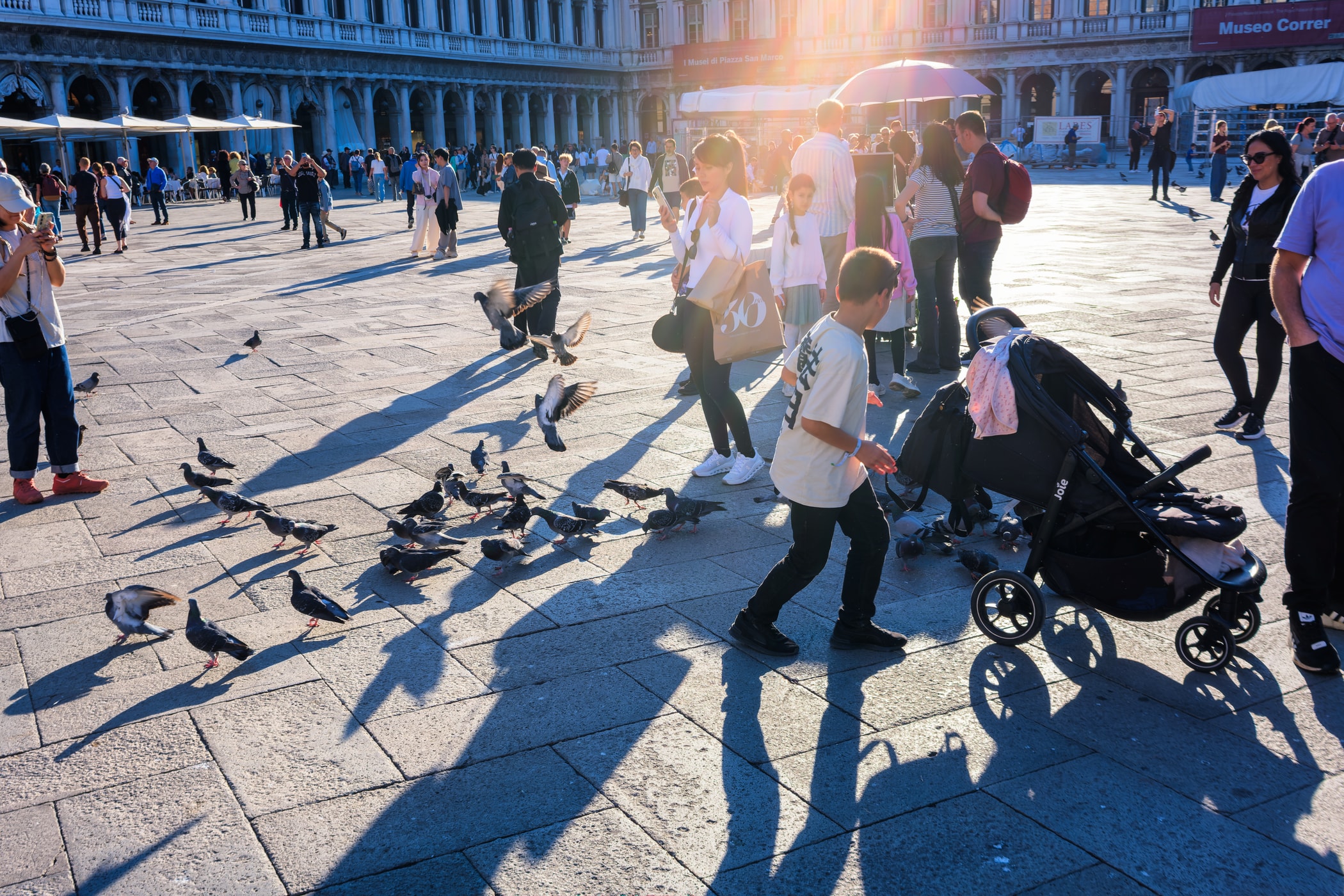 06
06 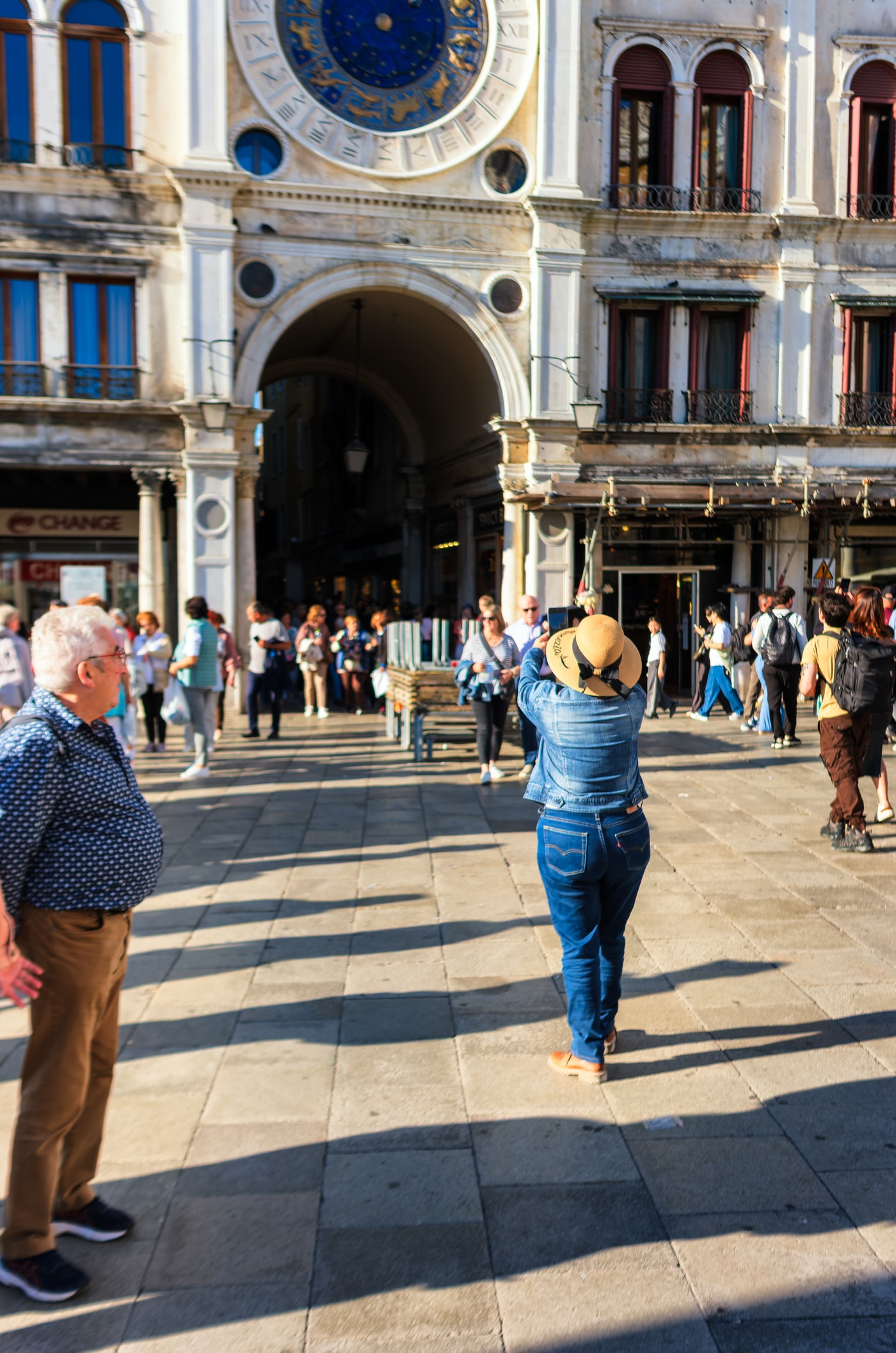 07
07 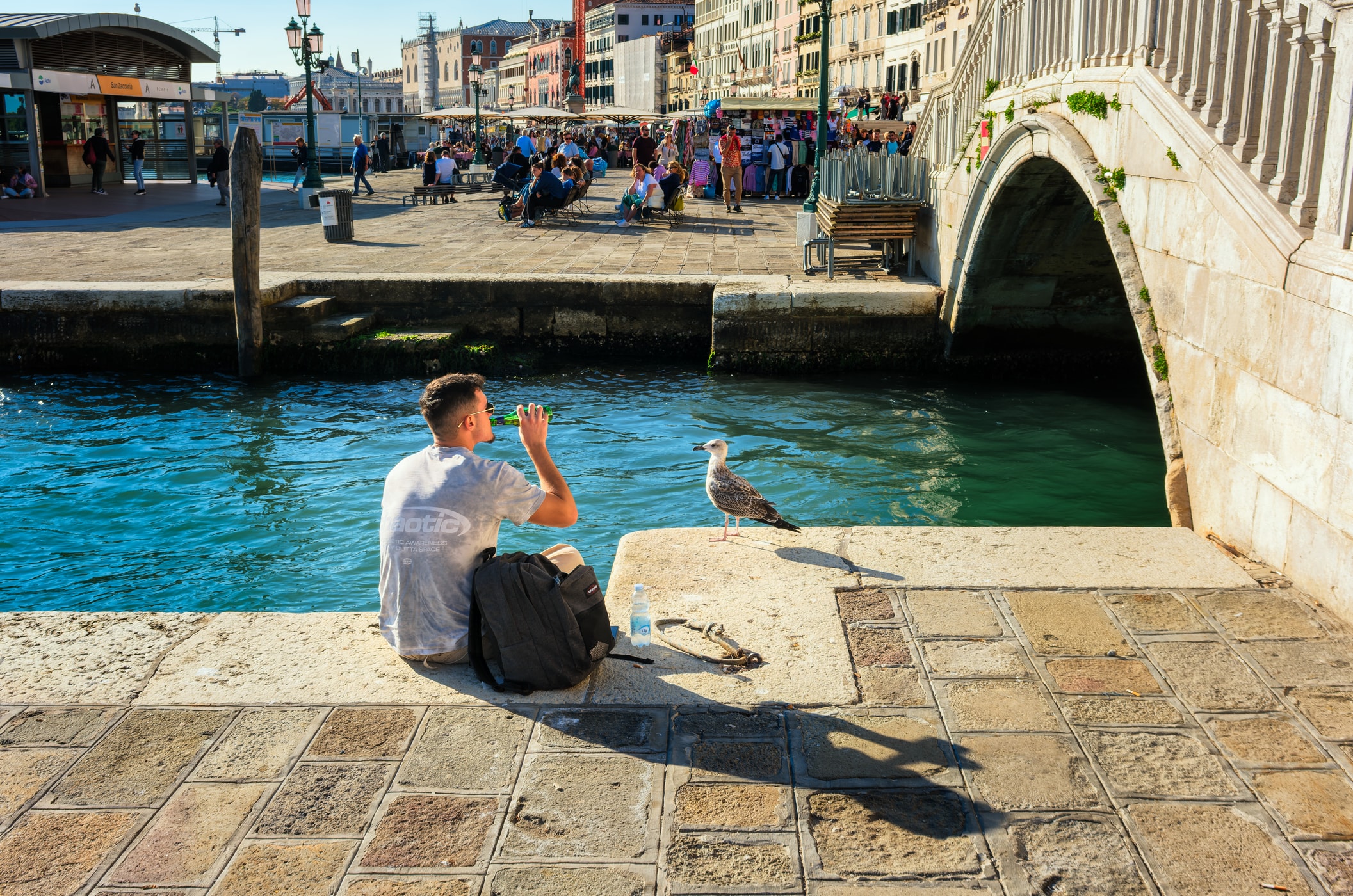 08
08 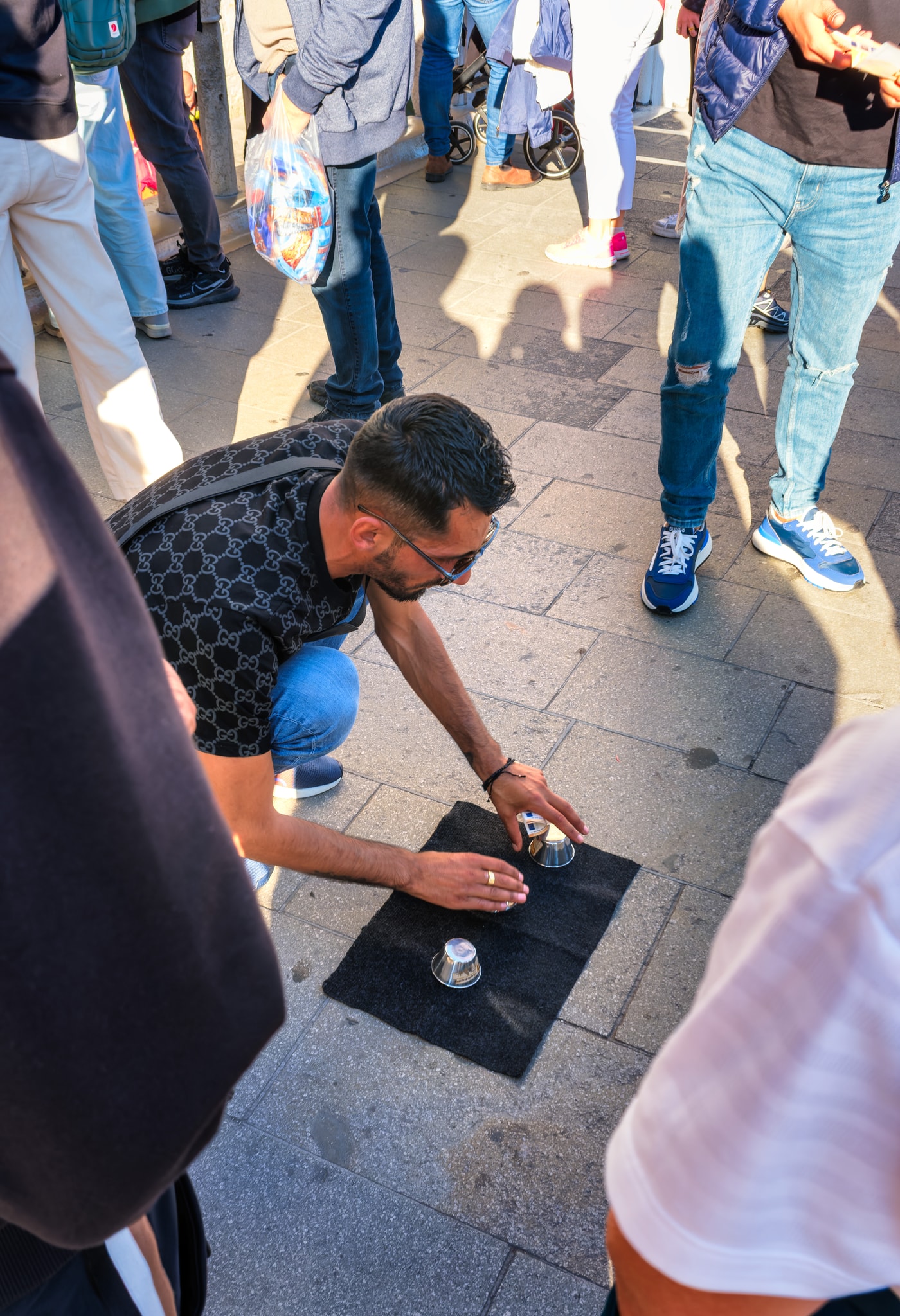 09
09 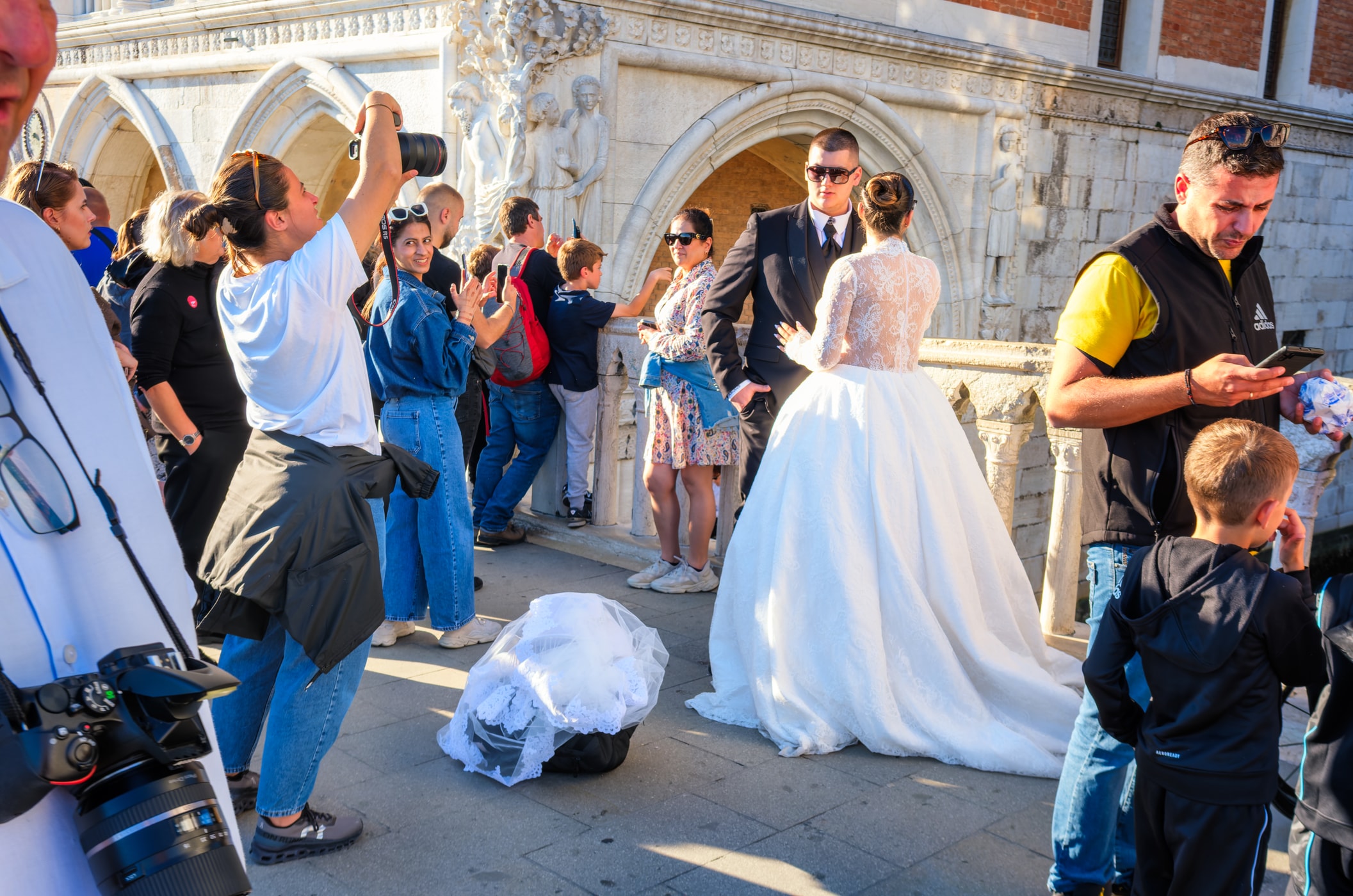 10
10 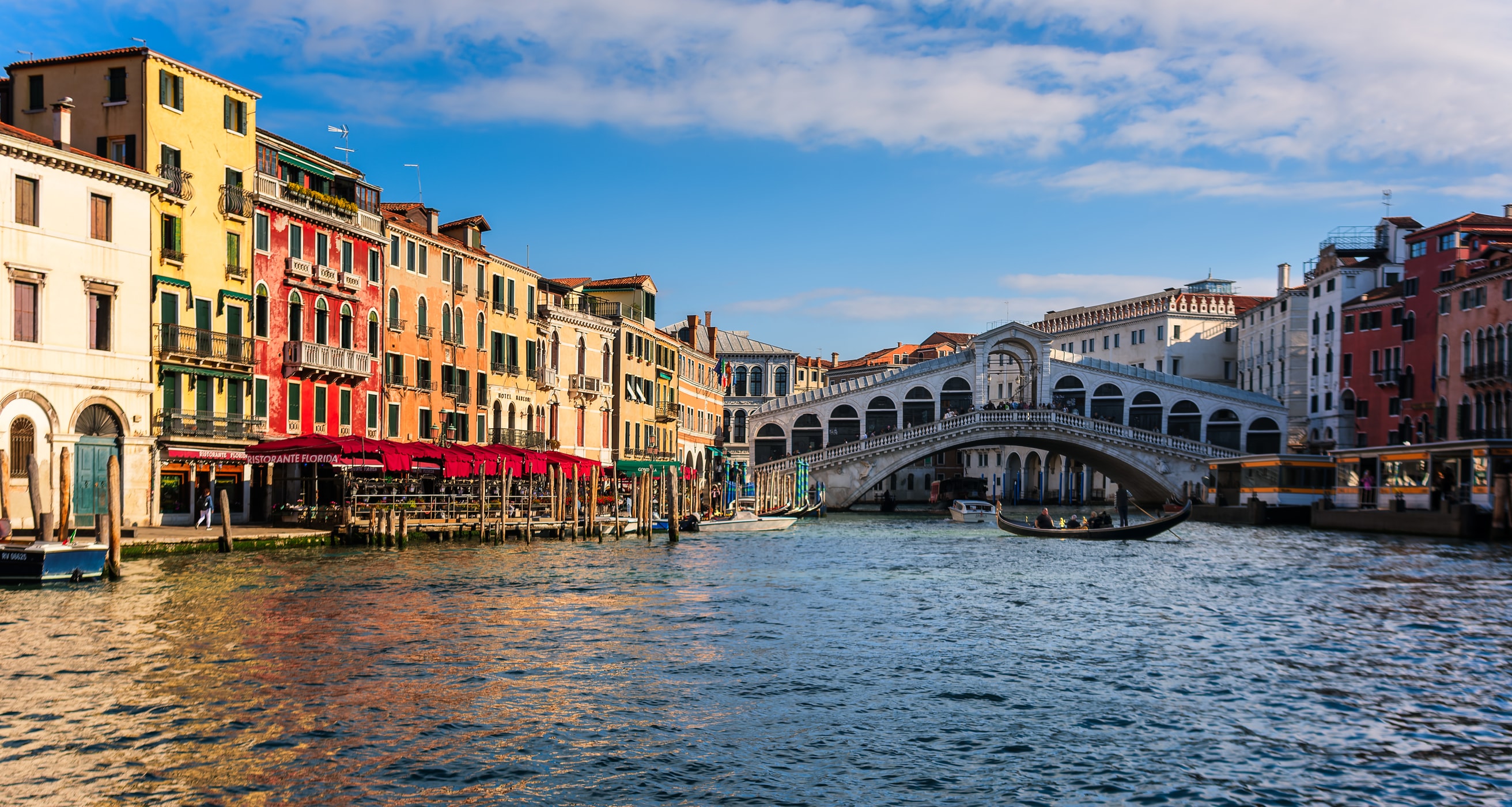 11
11 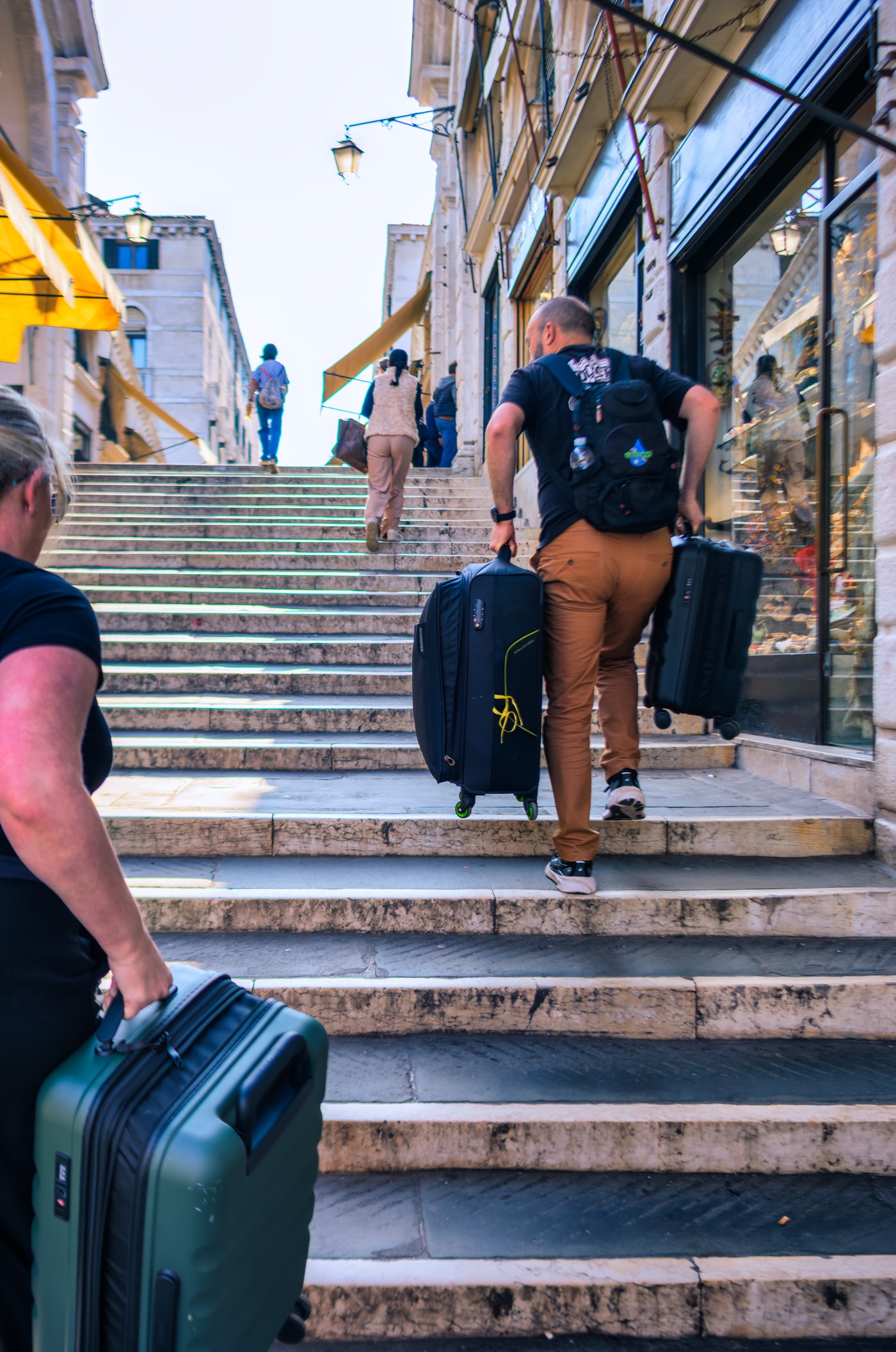 12
12 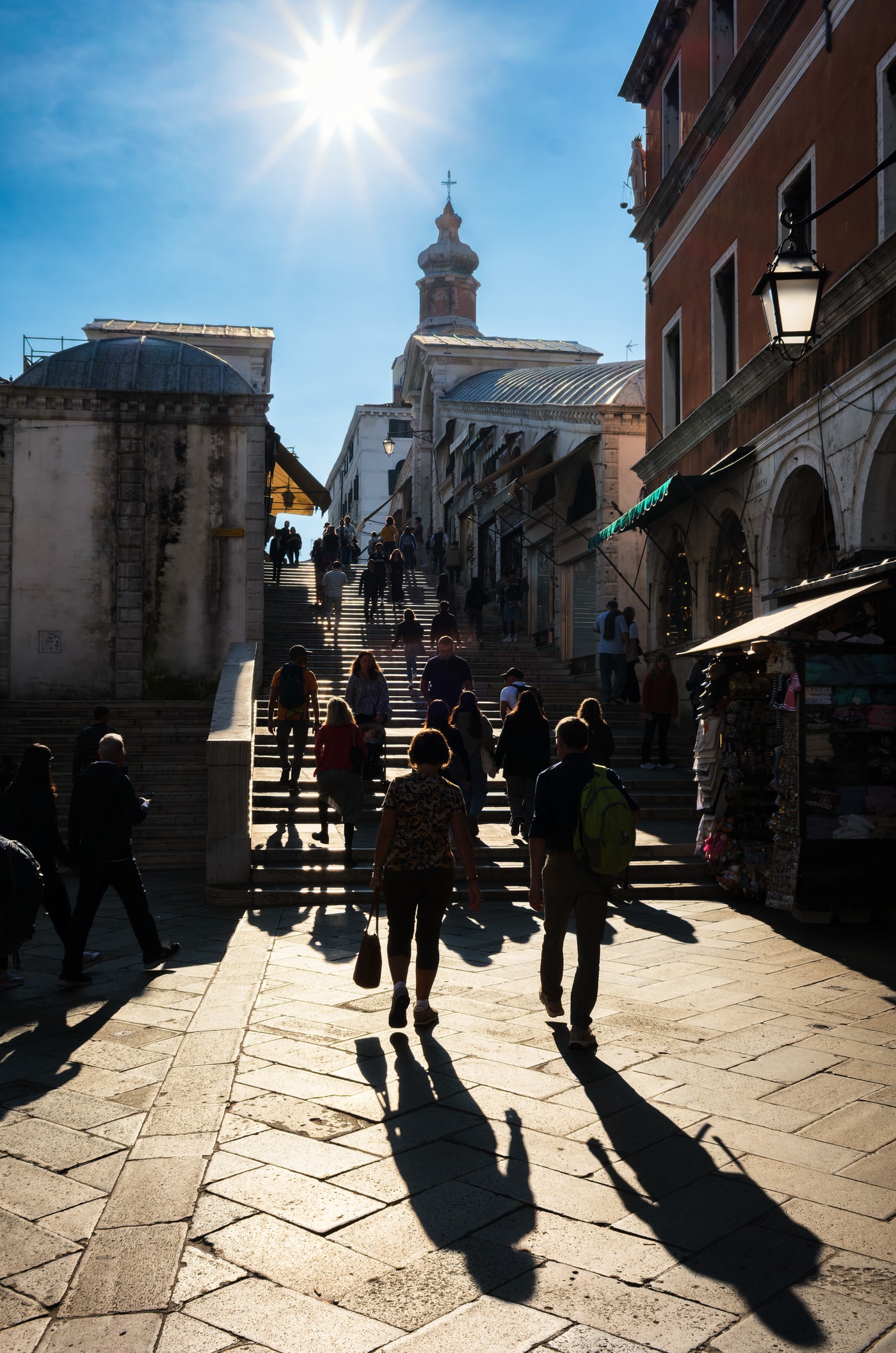 13
13 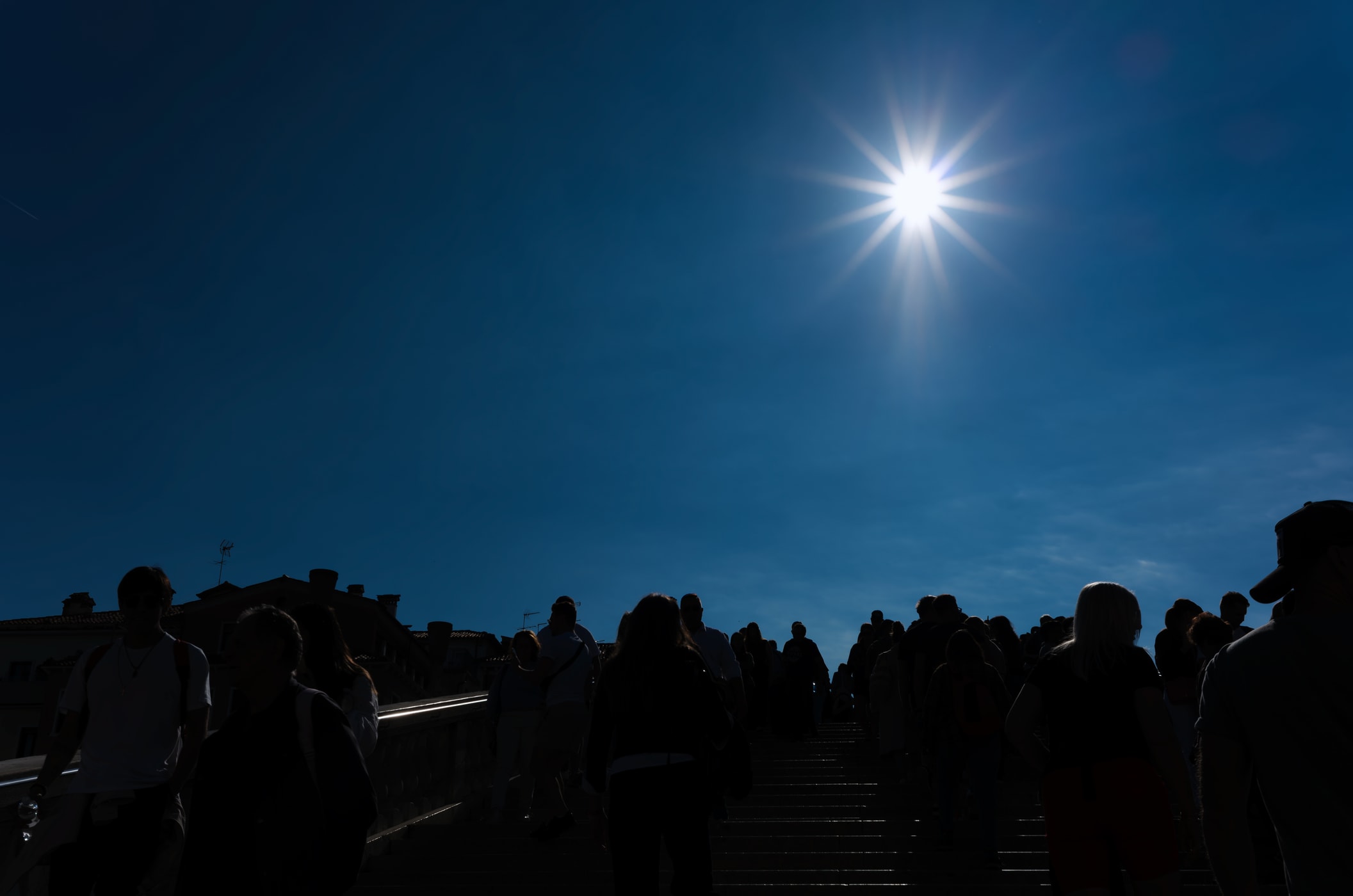 14
14 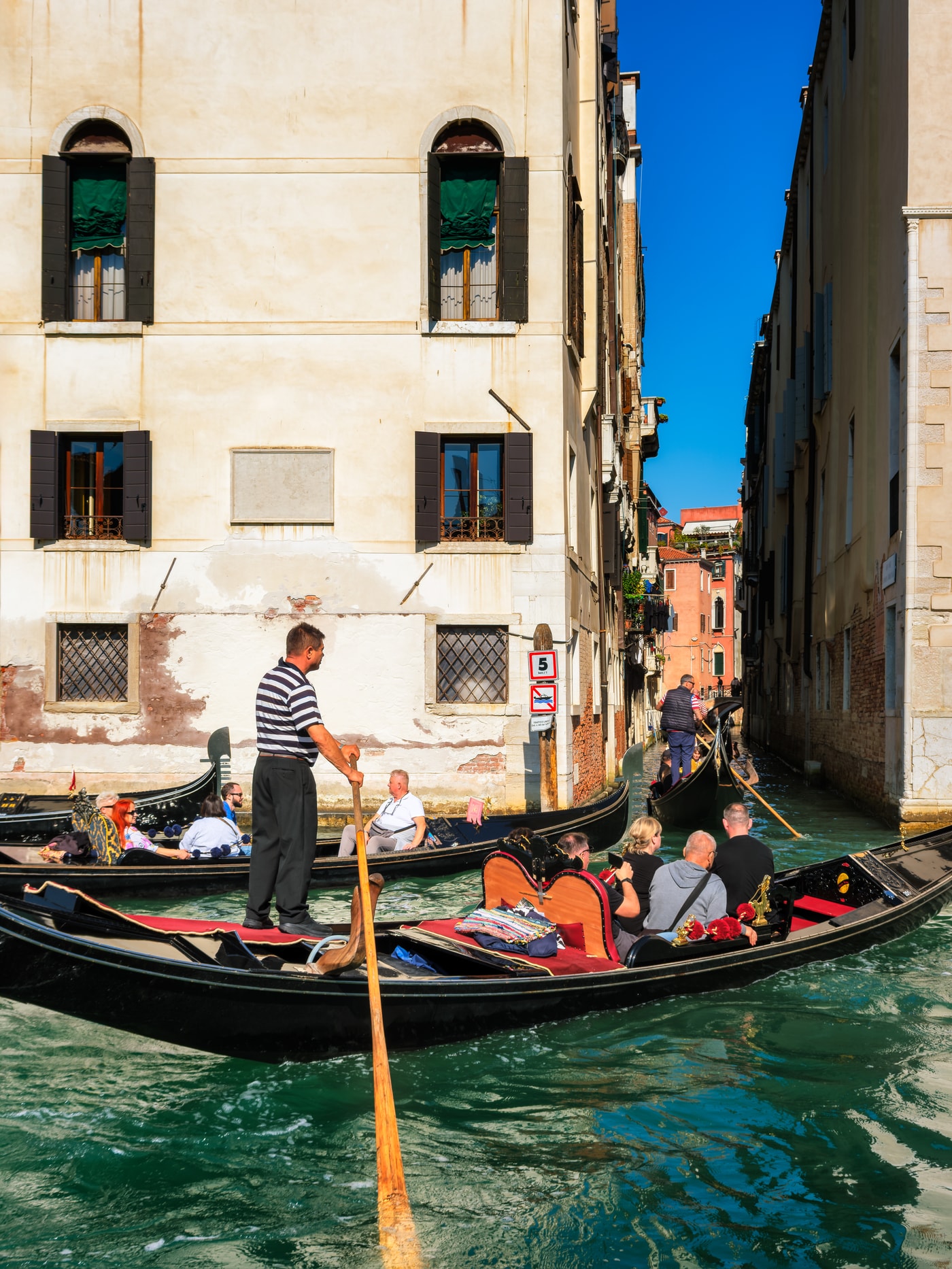 15
15 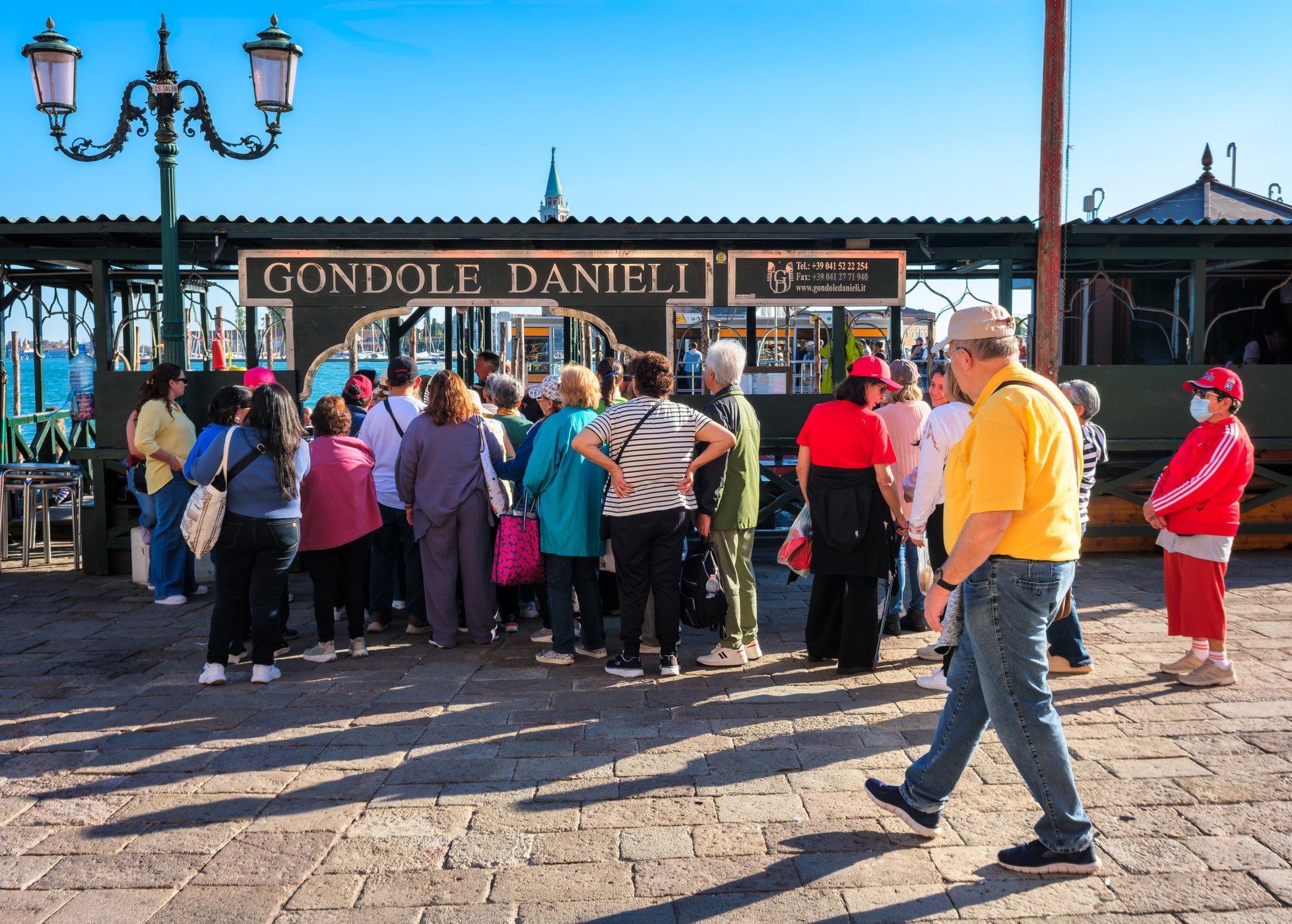 16
16 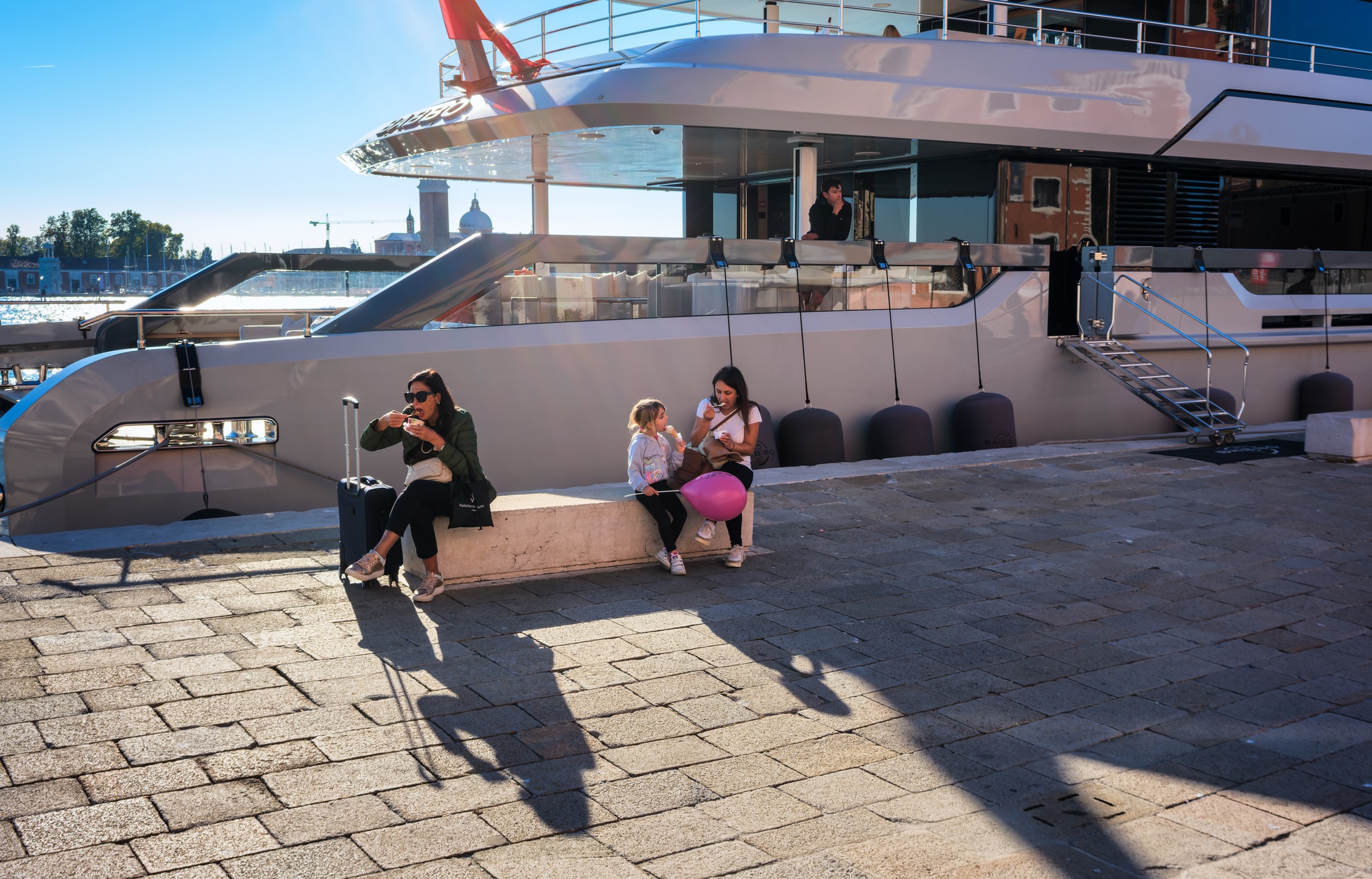 17
17 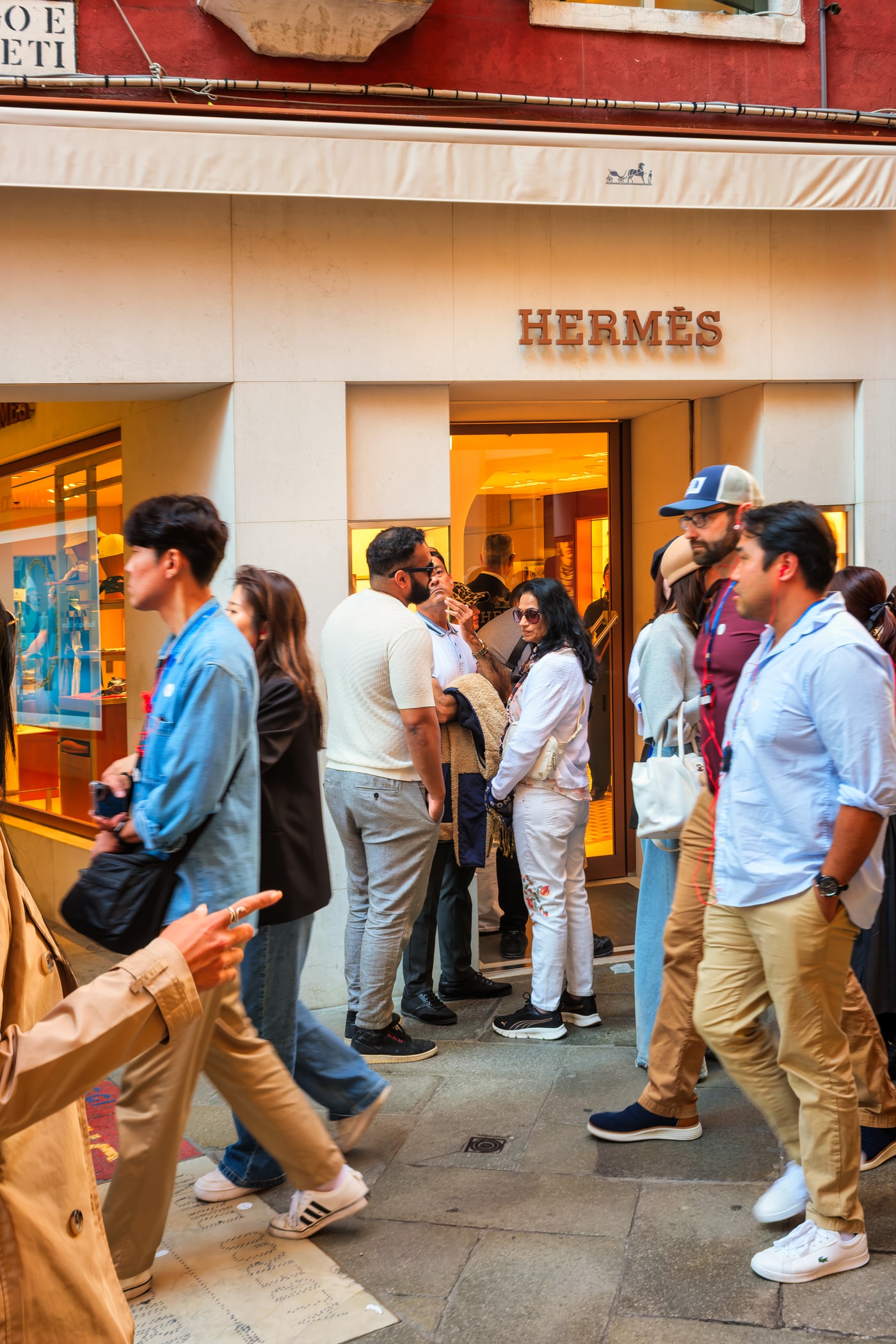 18
18 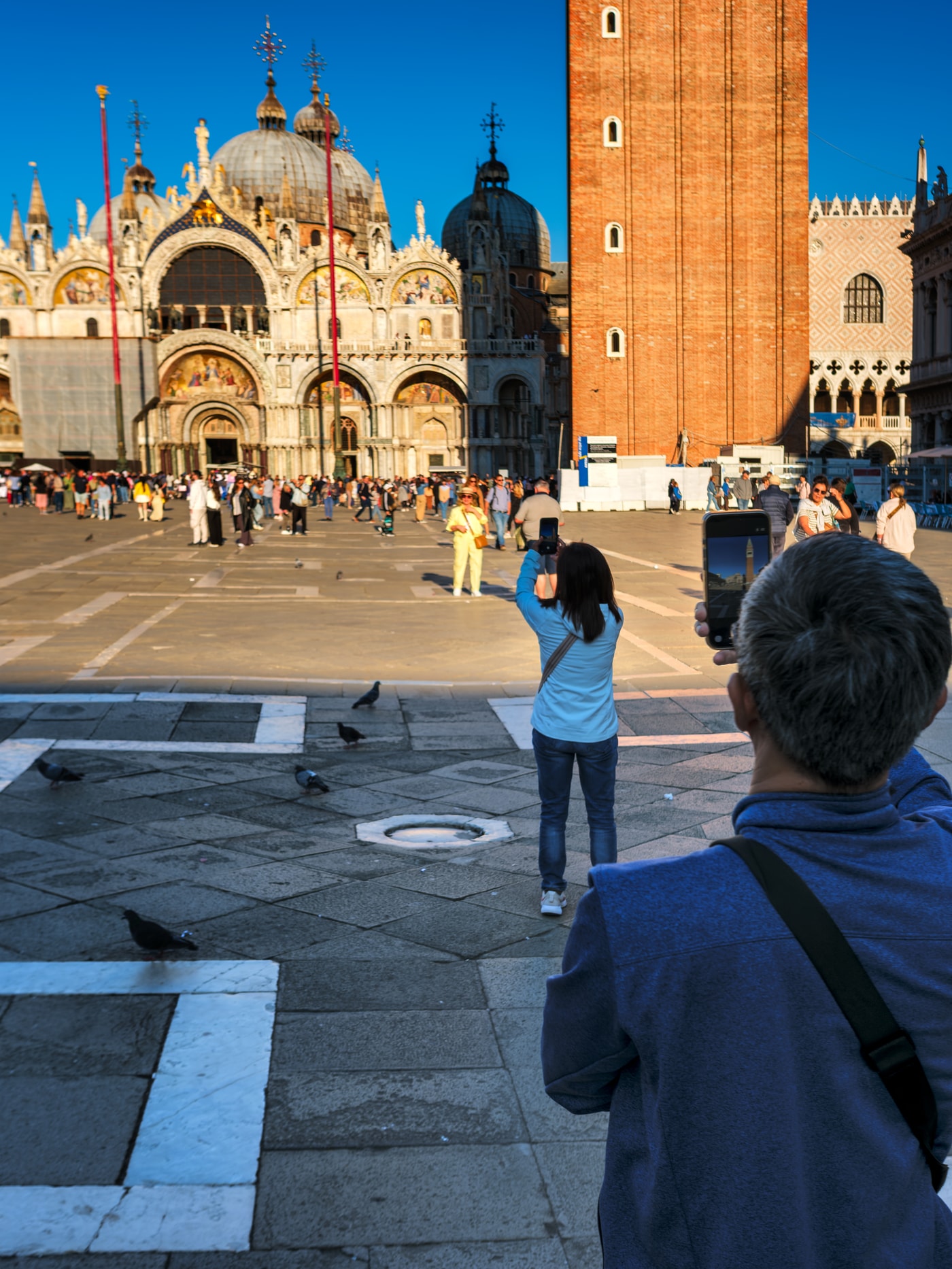 19
19 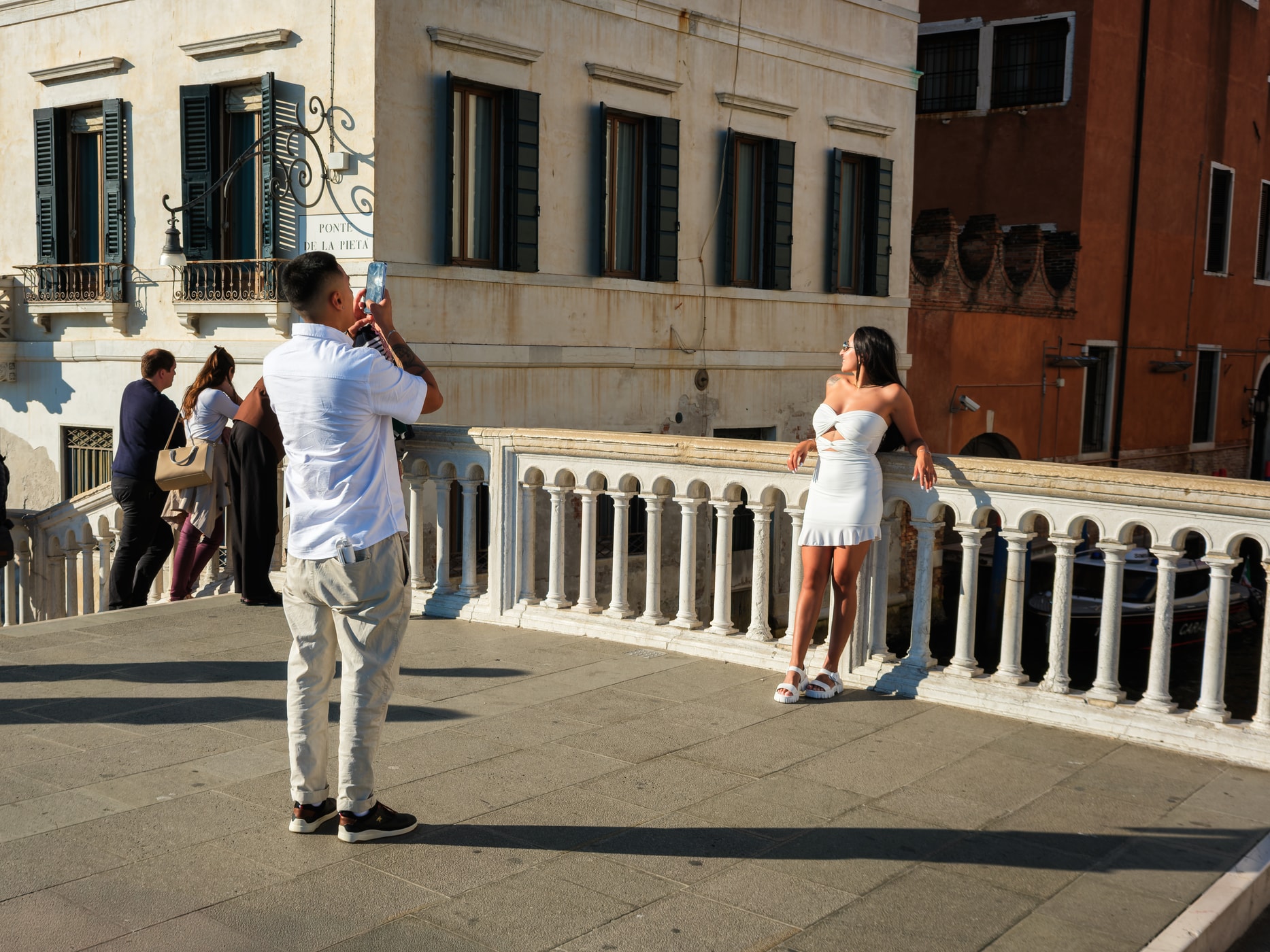 20
20 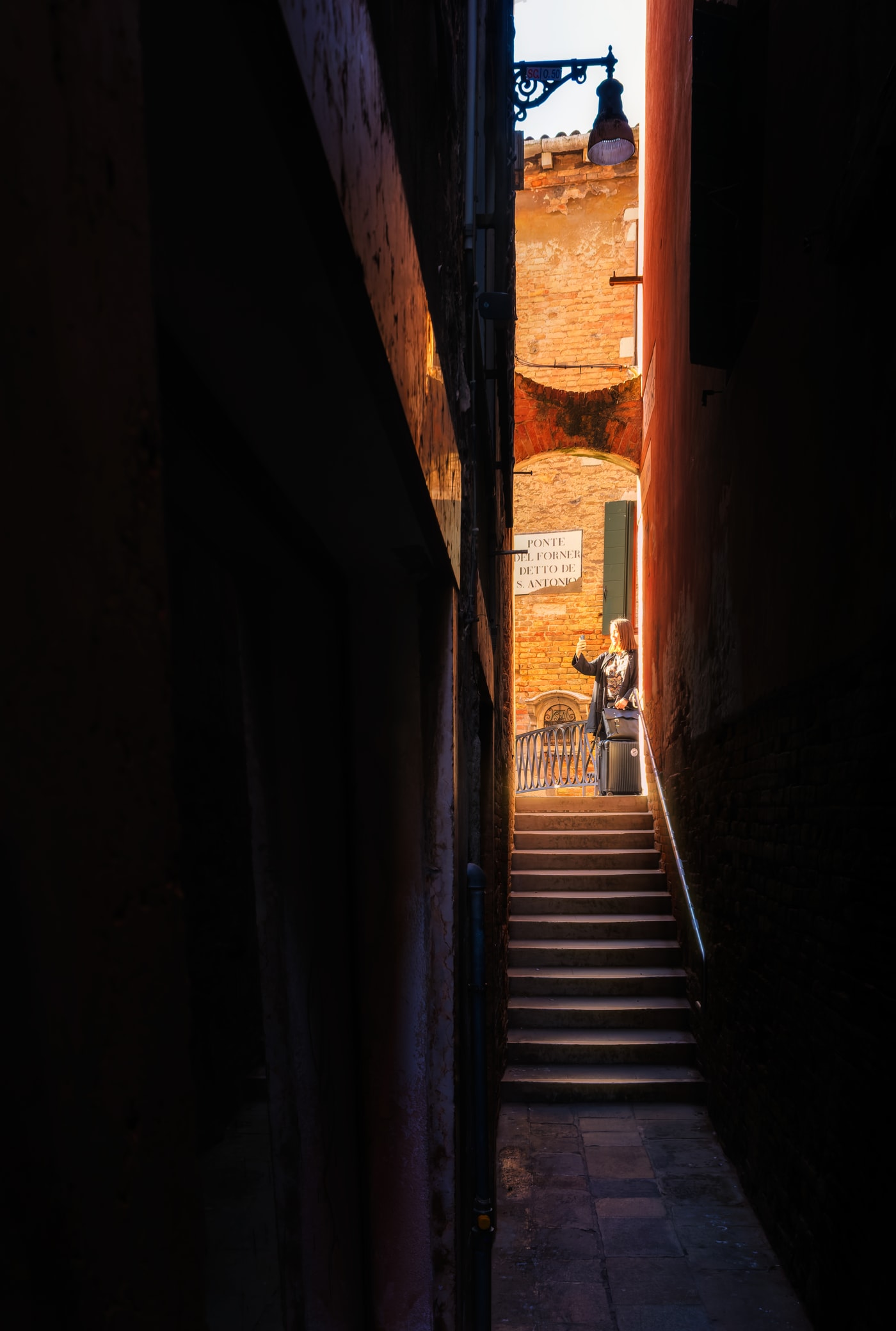 21
21 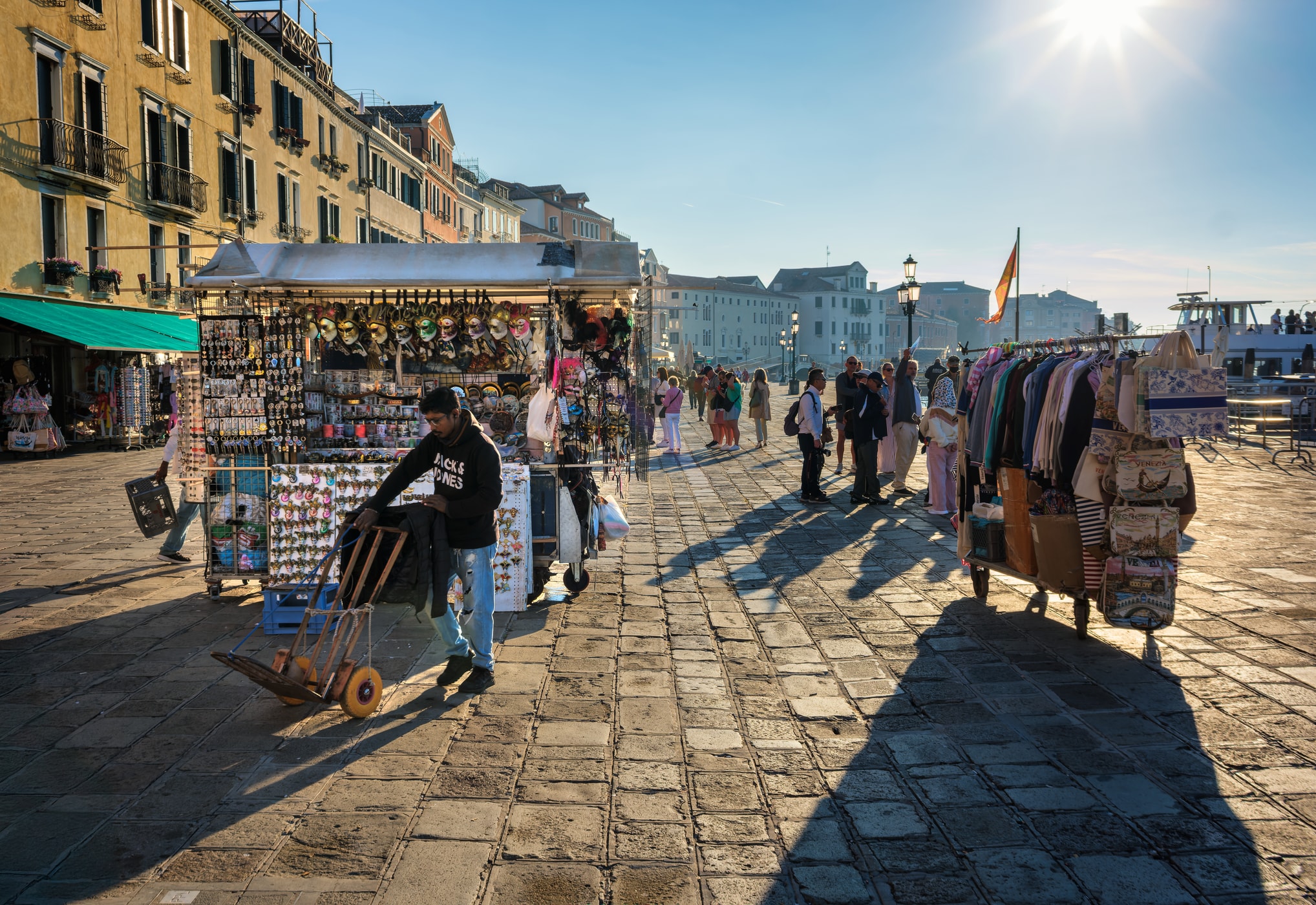 22
22 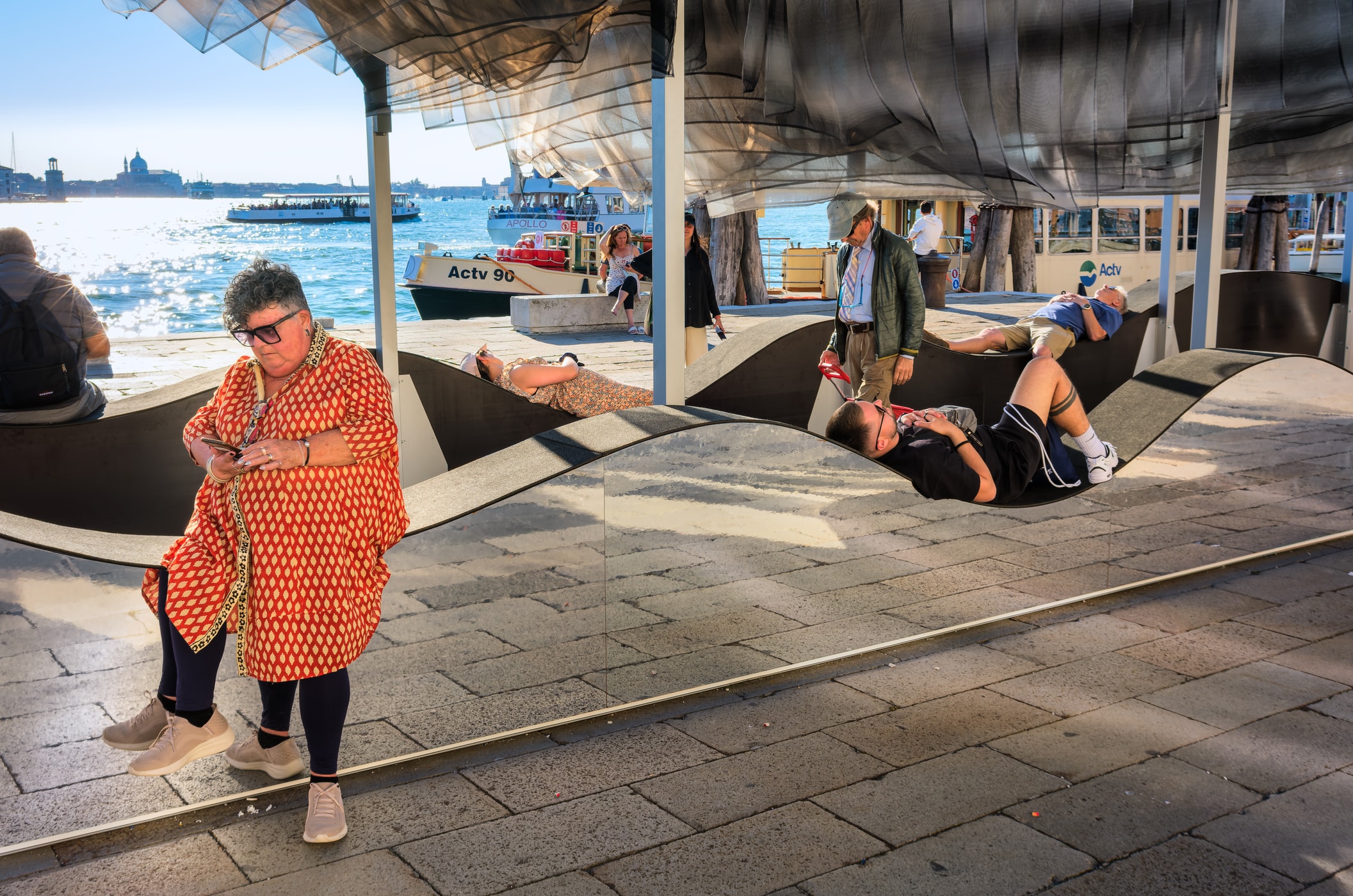 23
23 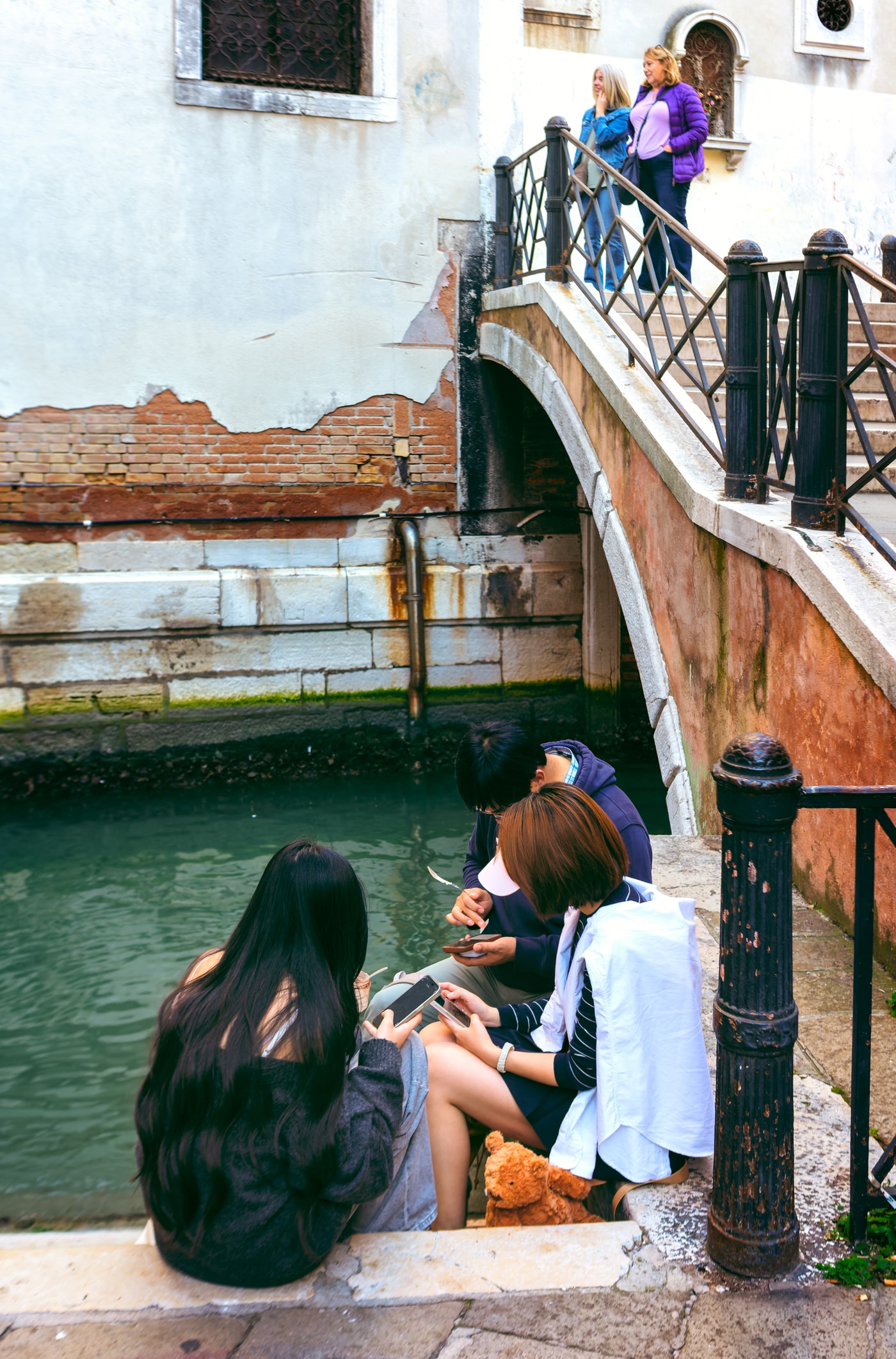 24
24 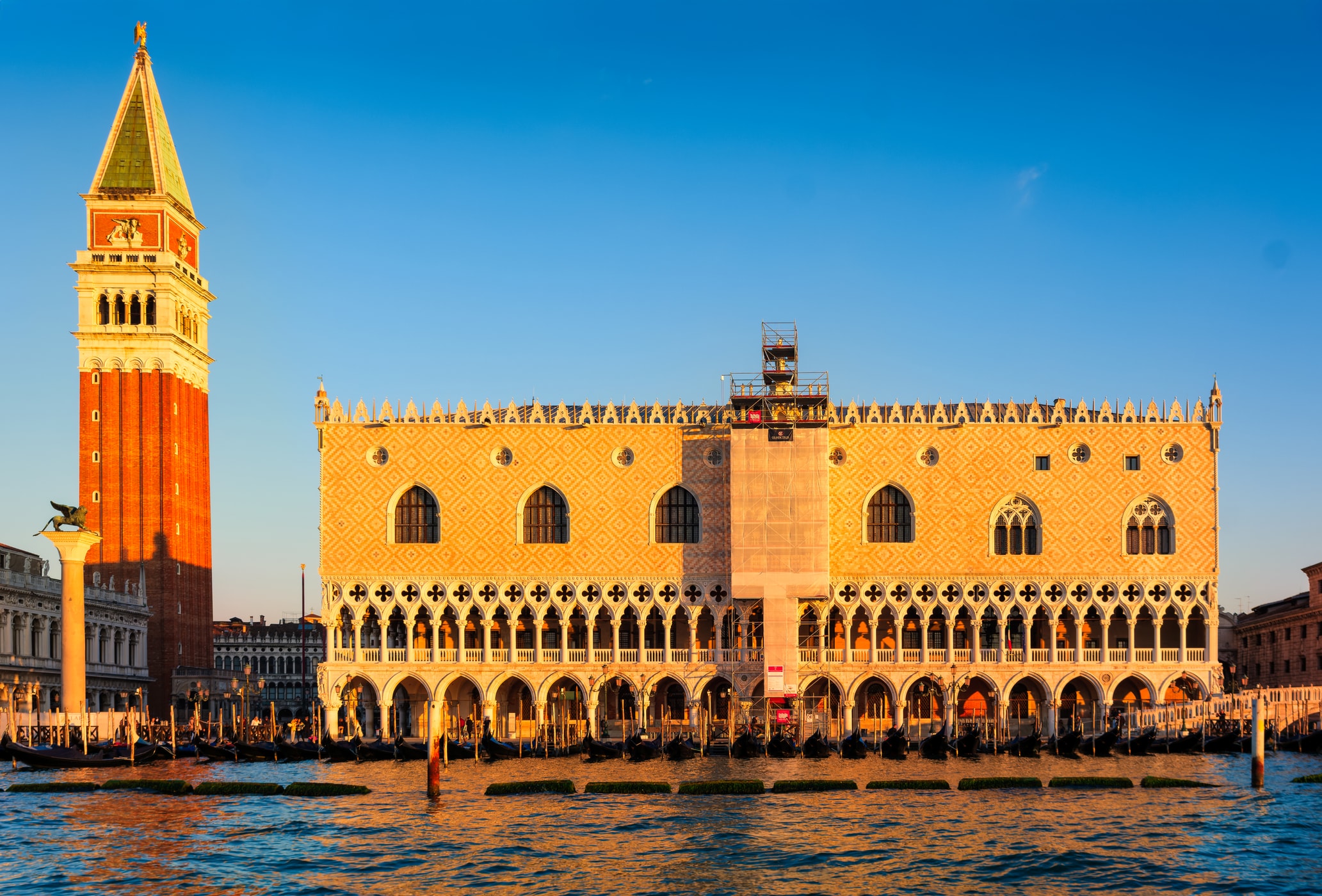 25
25 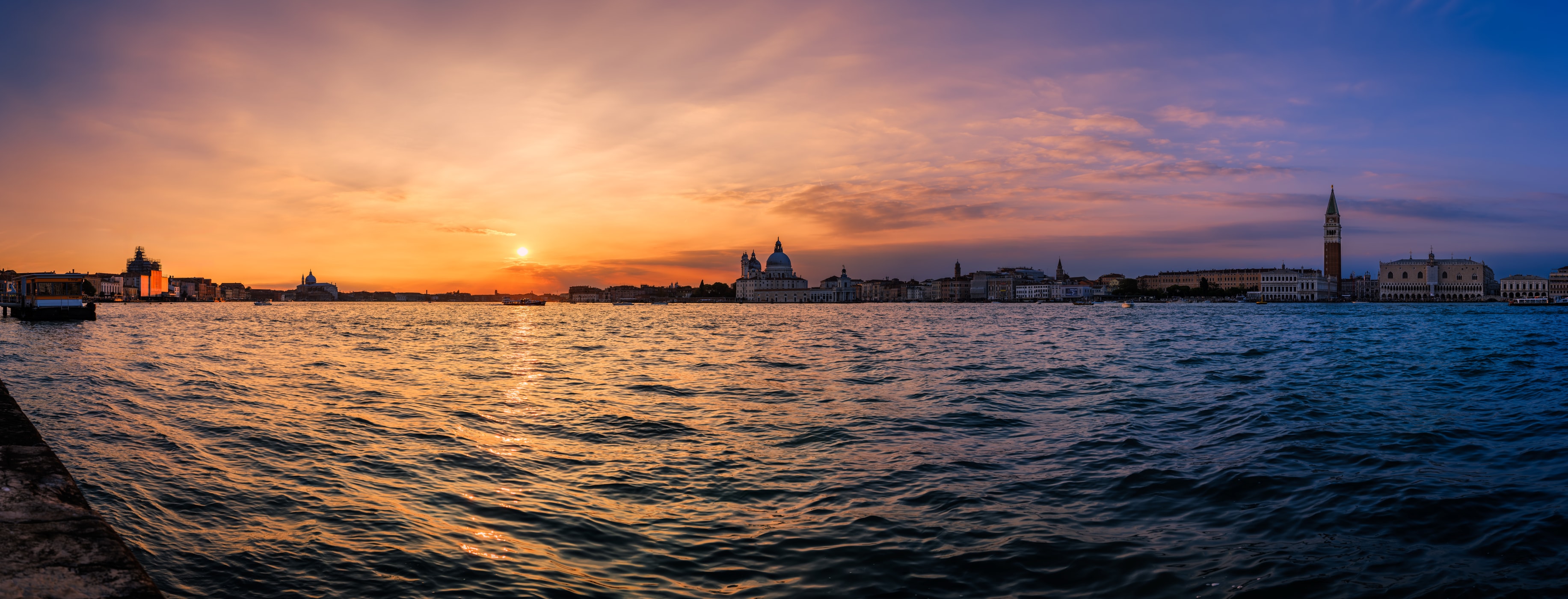 26
26 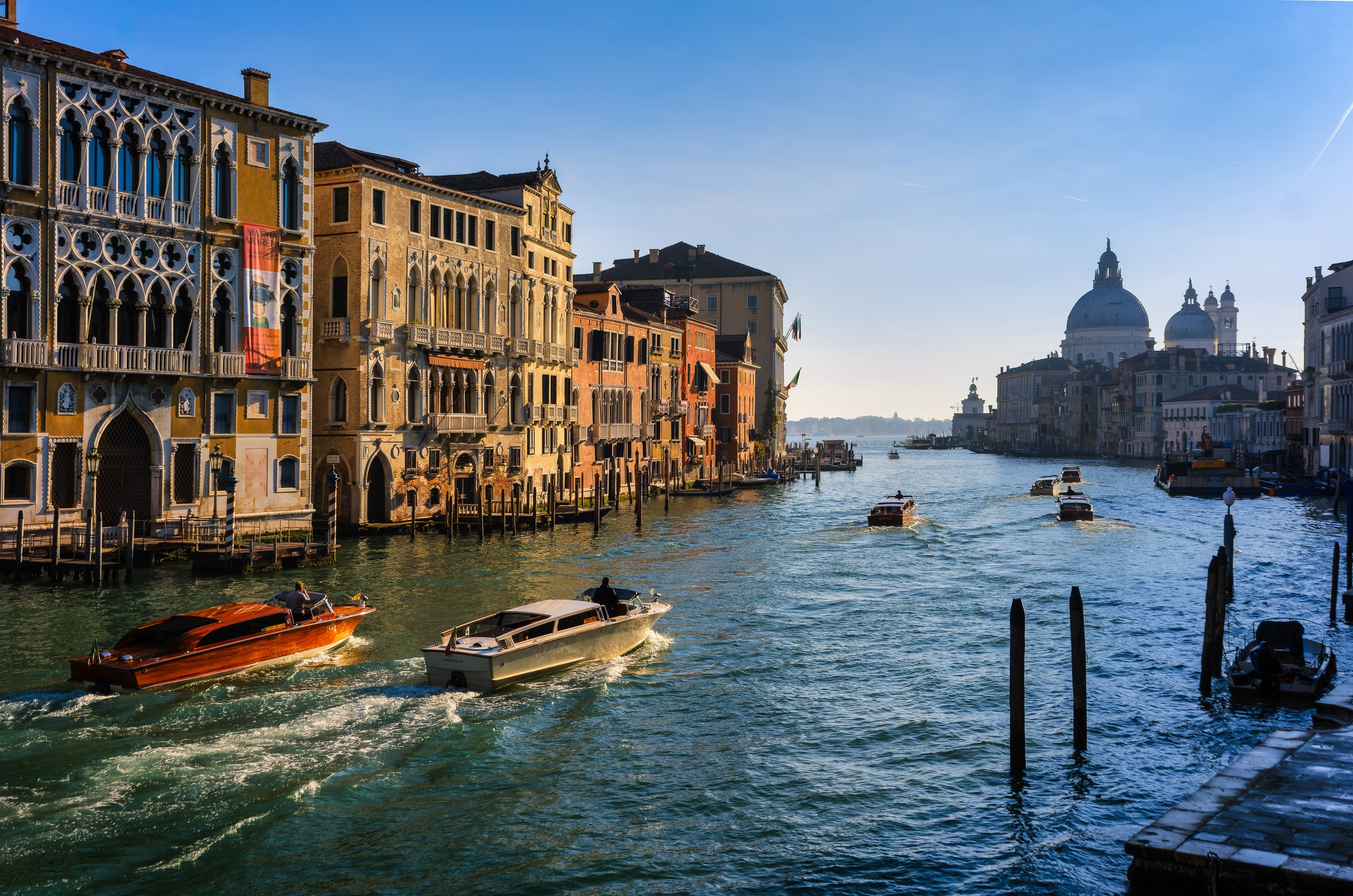 27
27 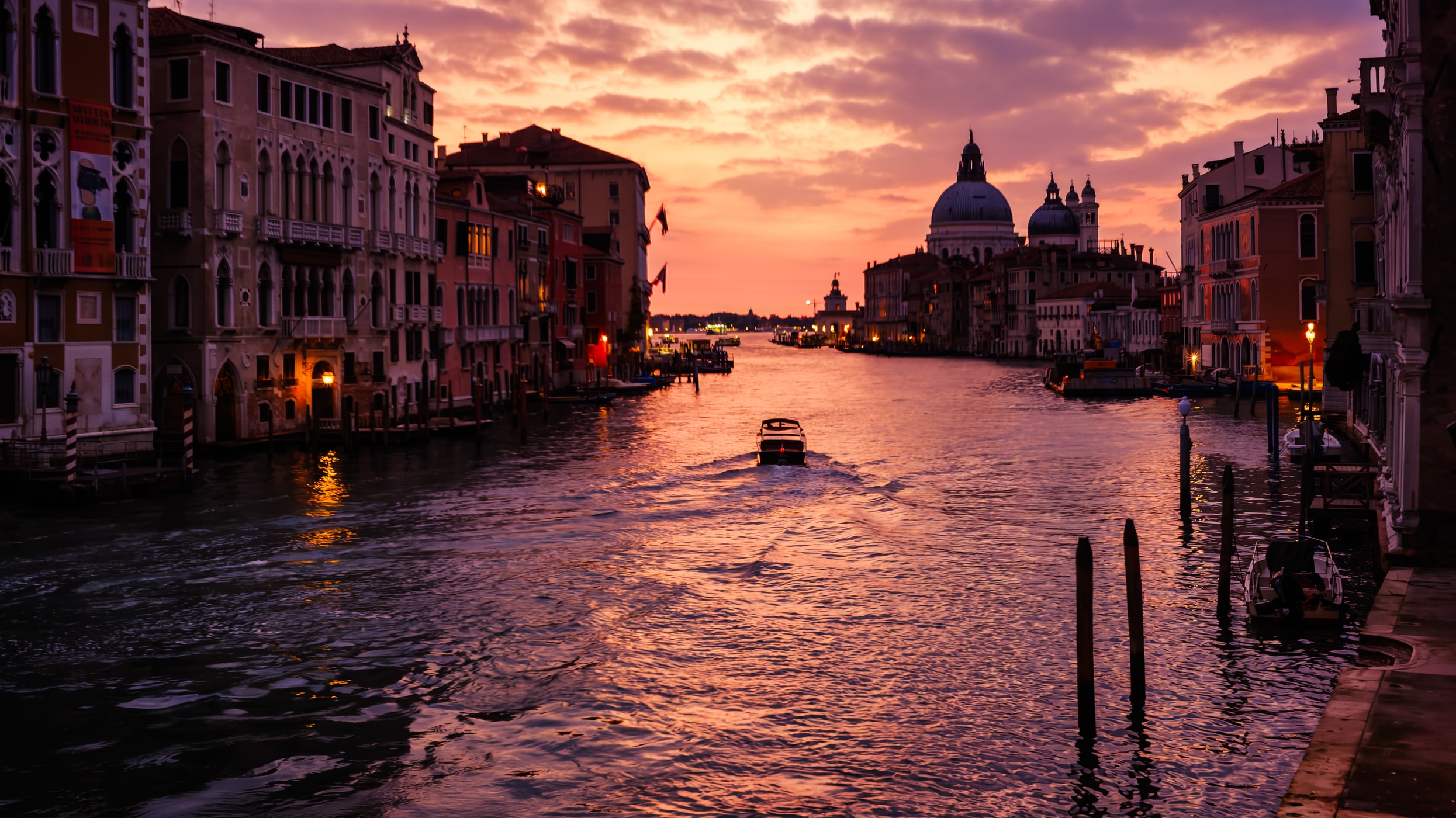 28
28 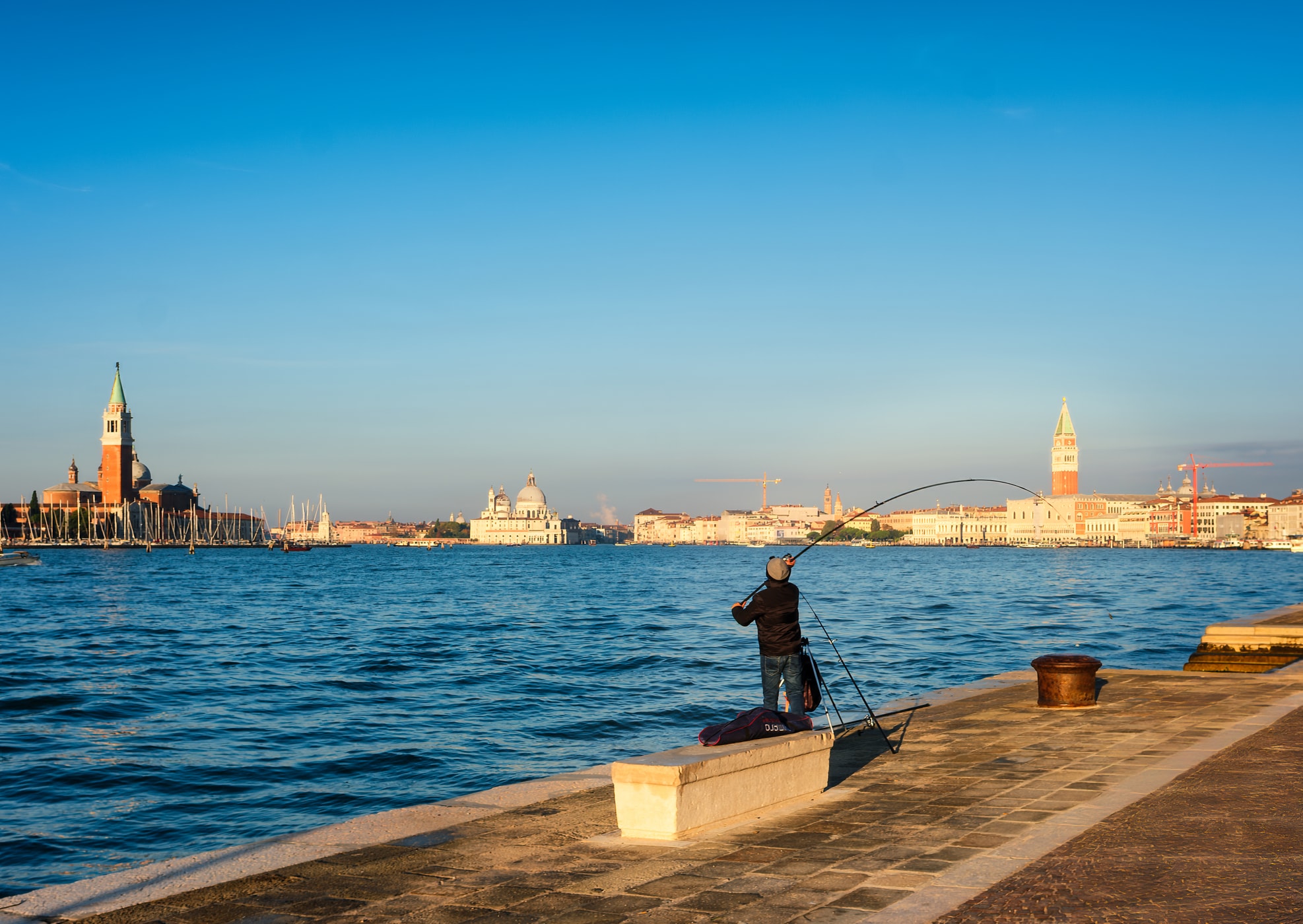 29
29 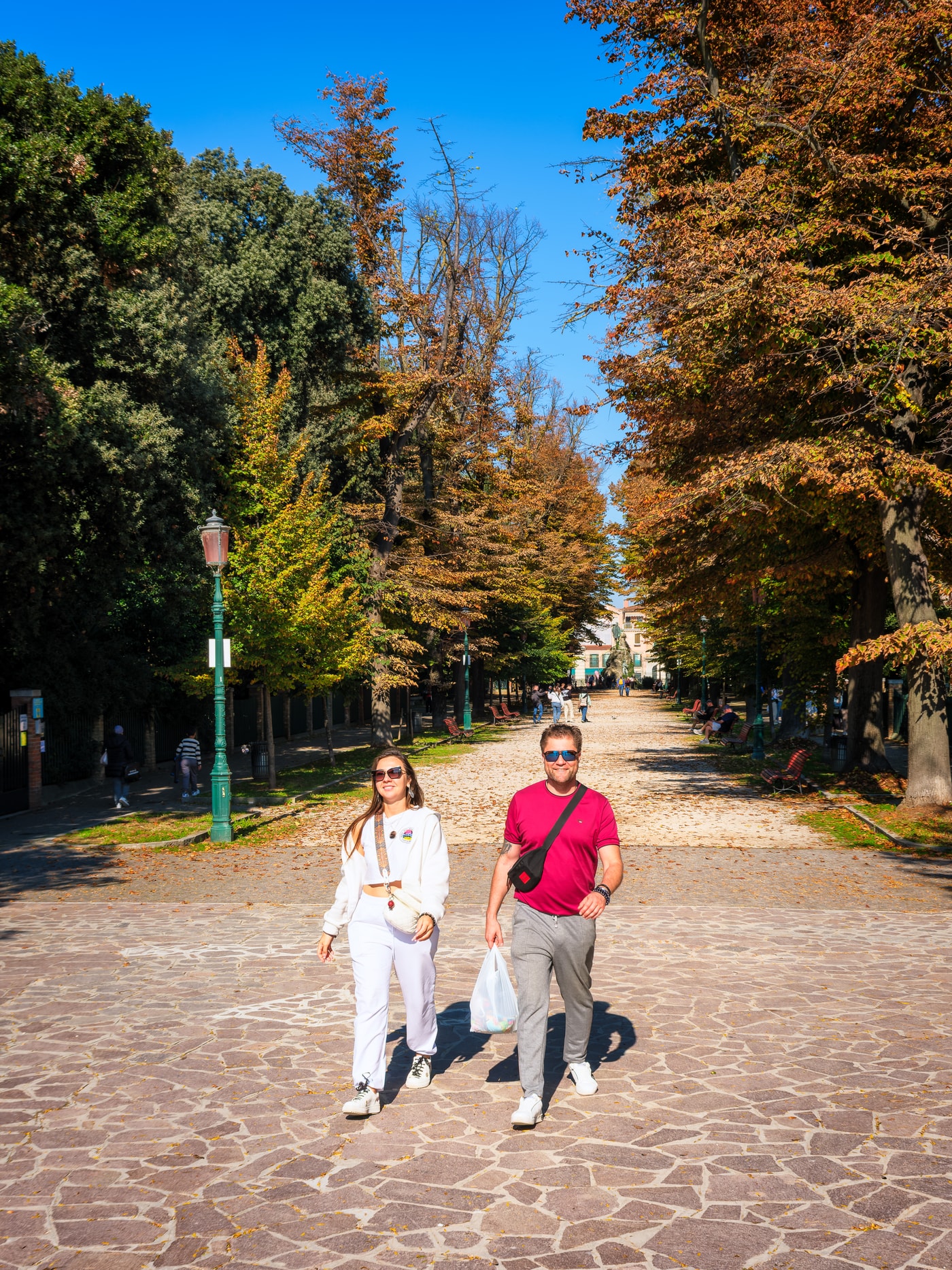 30
30 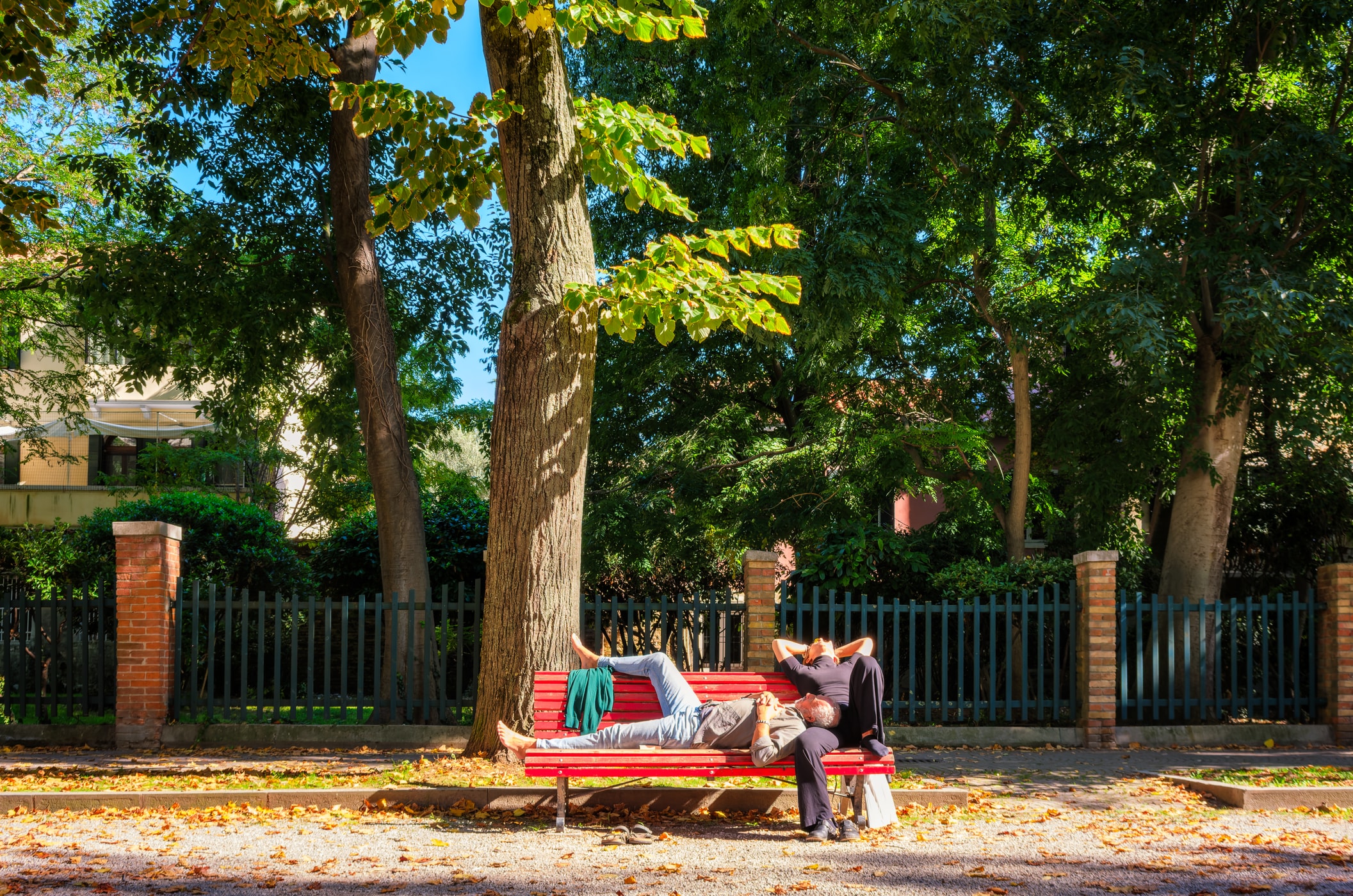 31
31 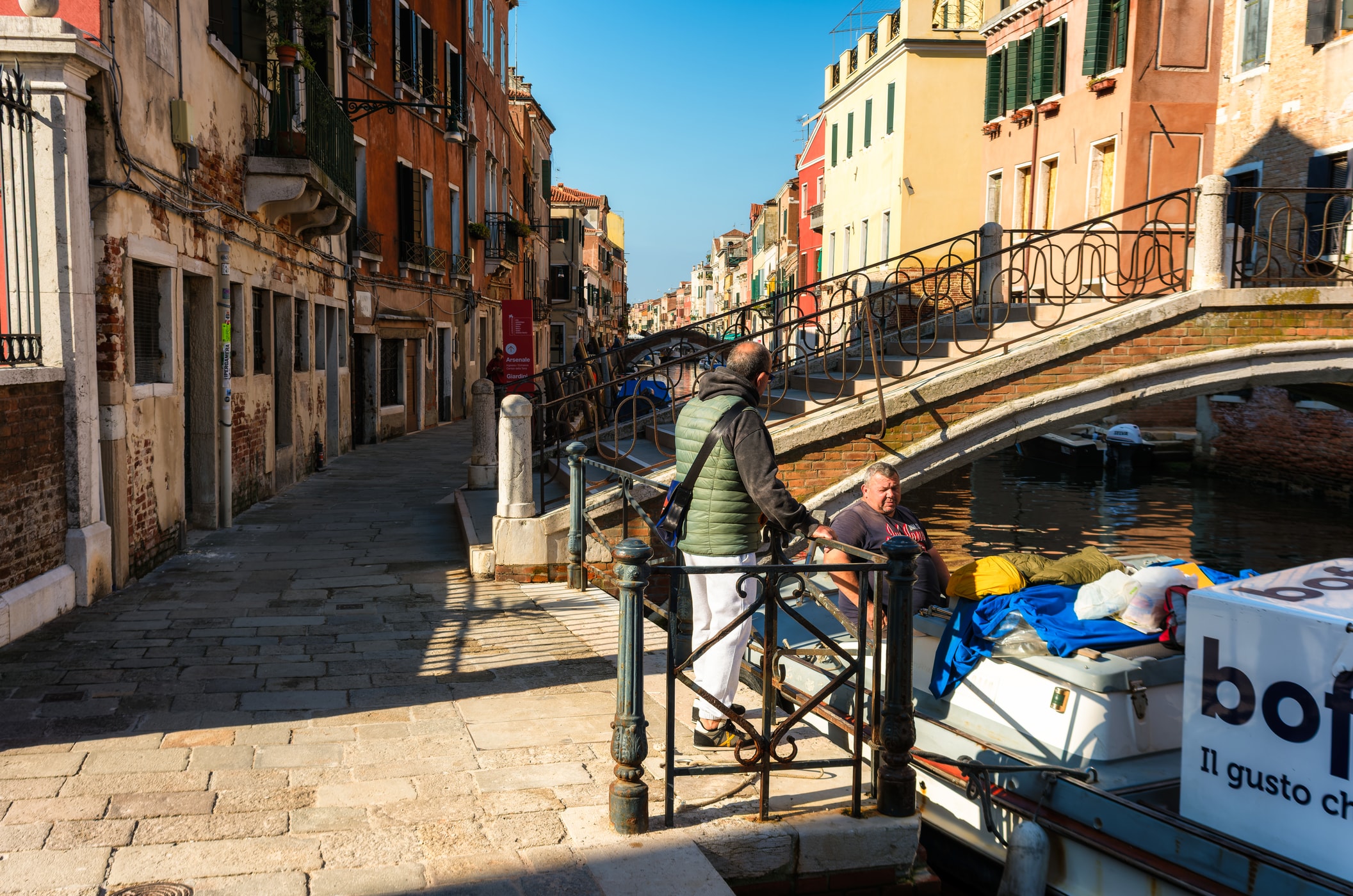 32
32 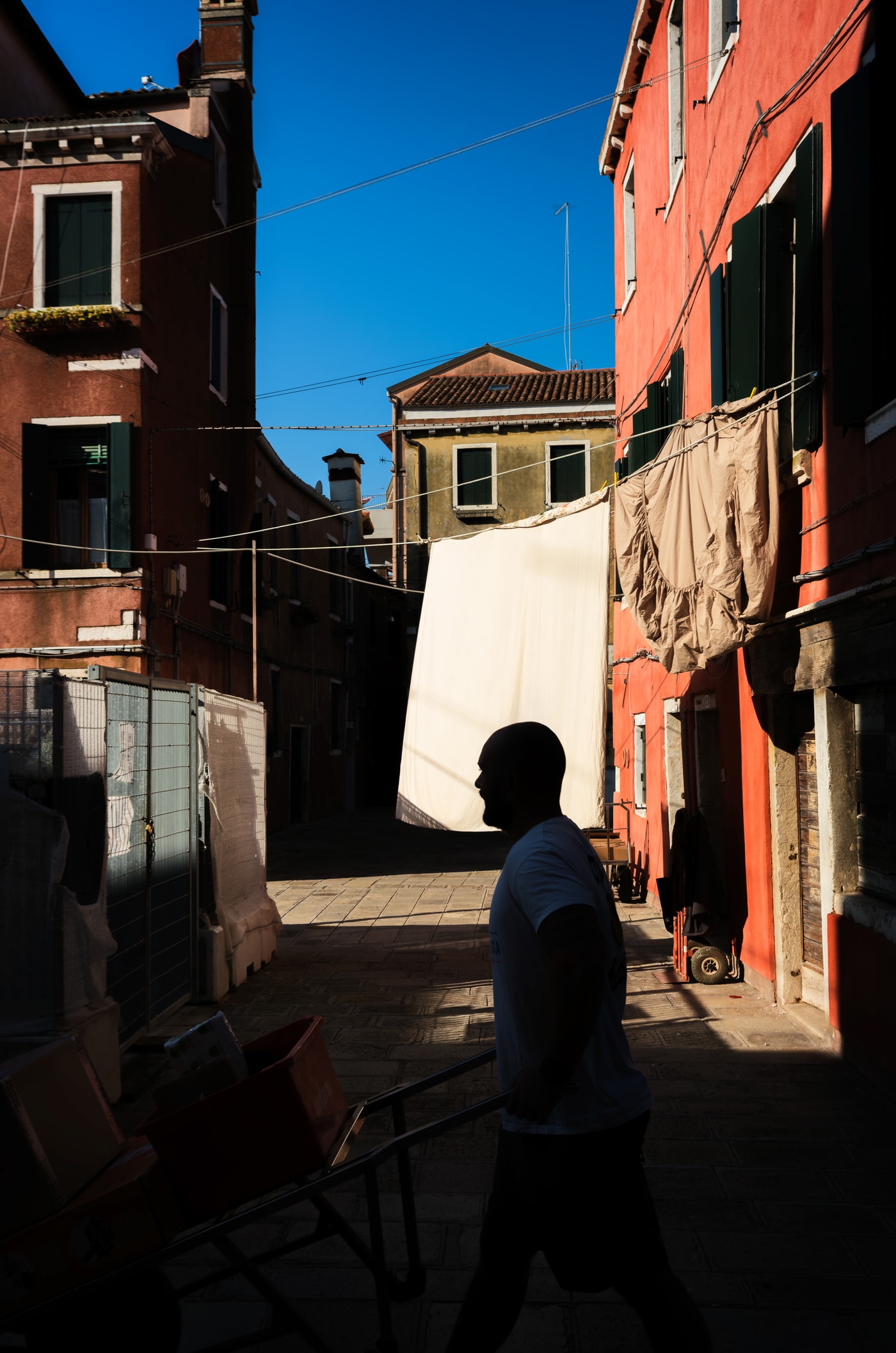 33
33 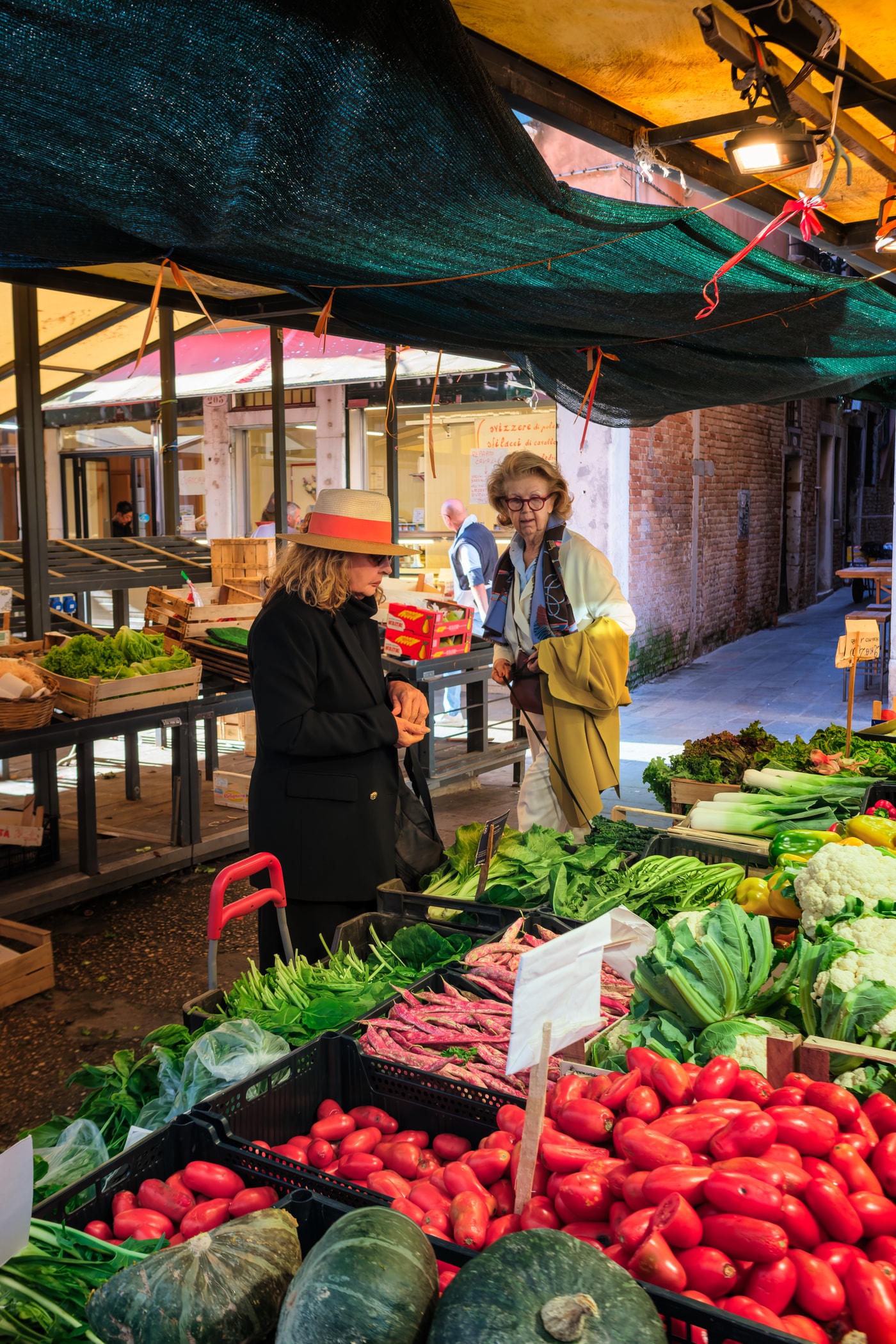 34
34 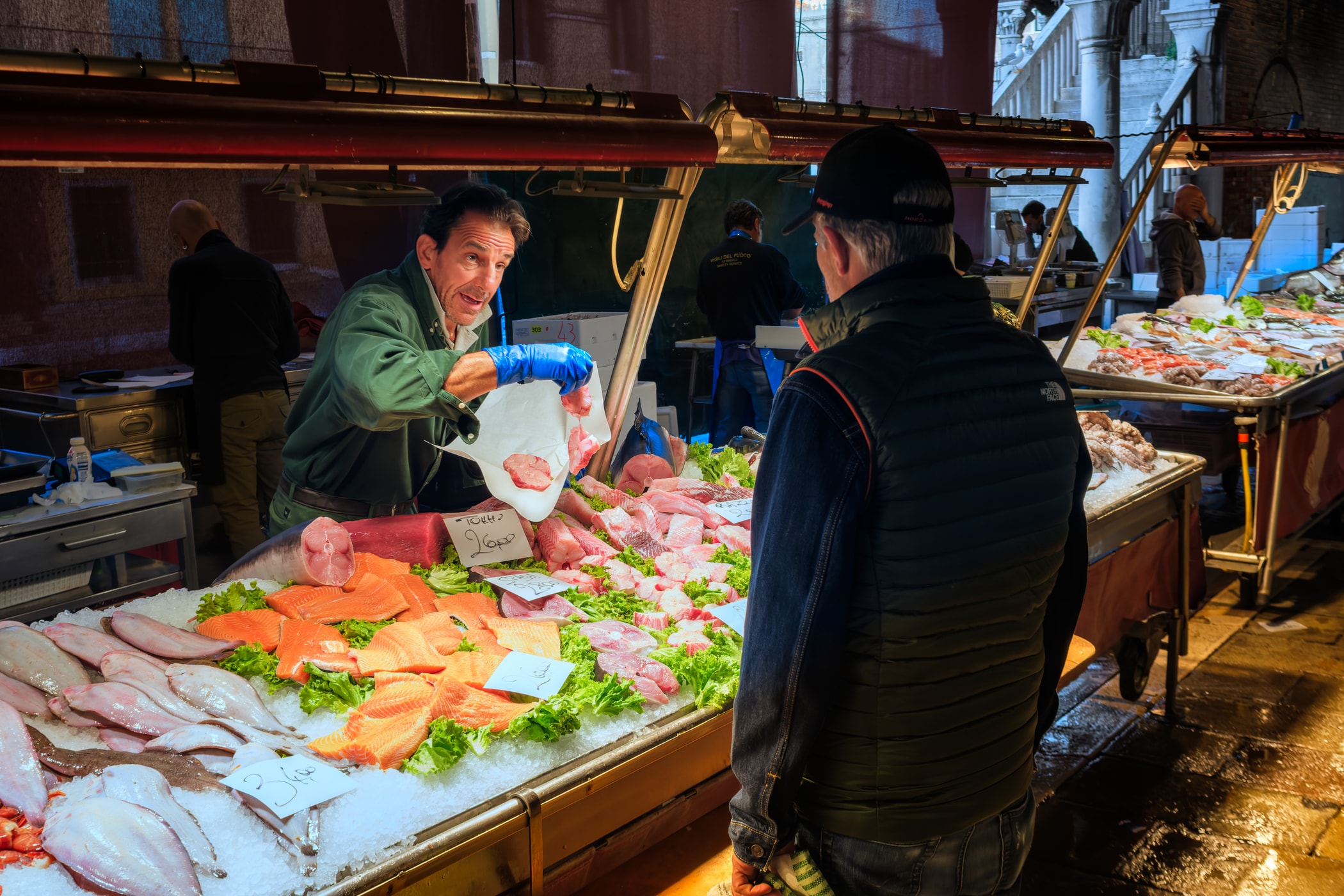 35
35 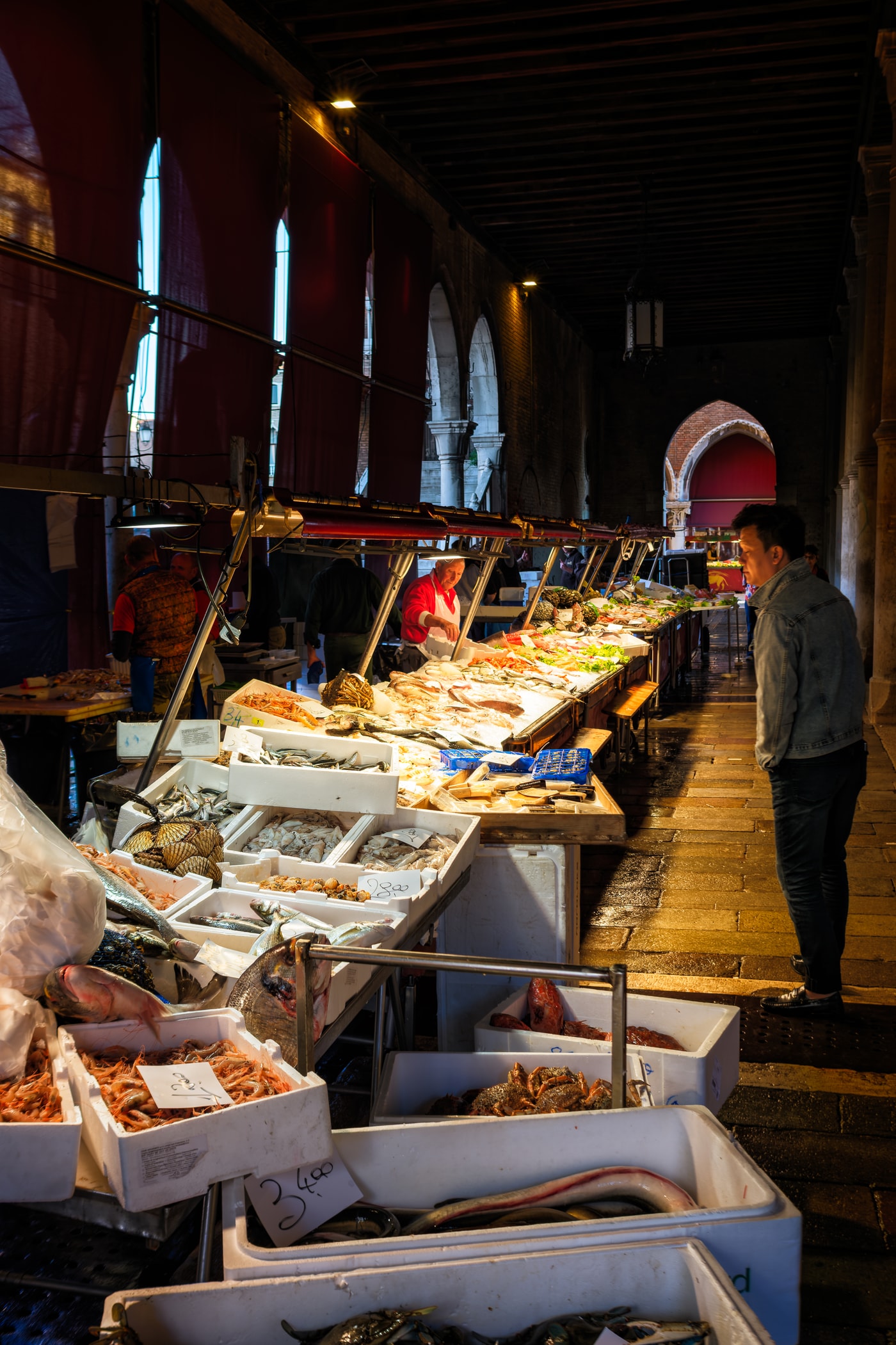 36
36 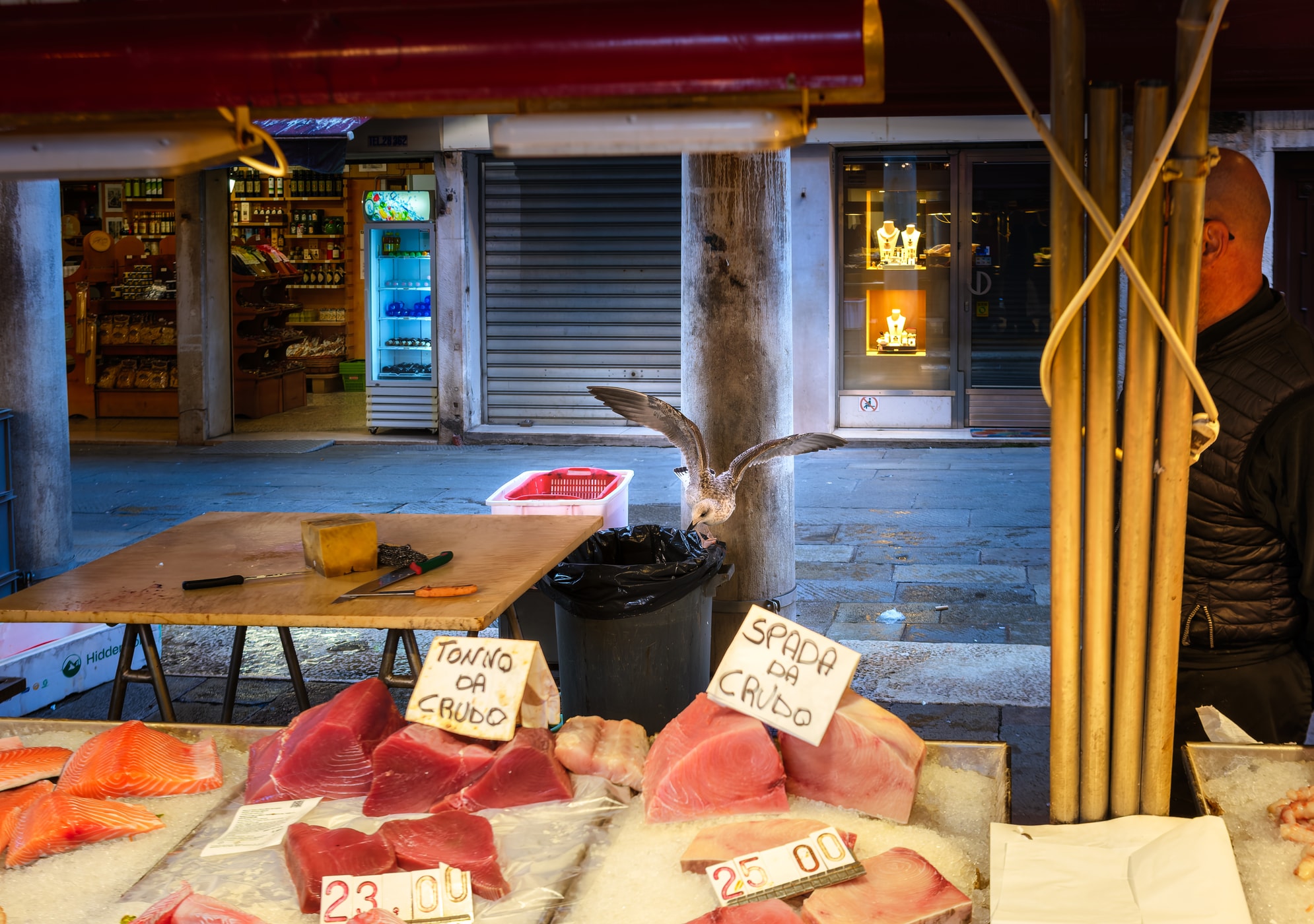 37
37 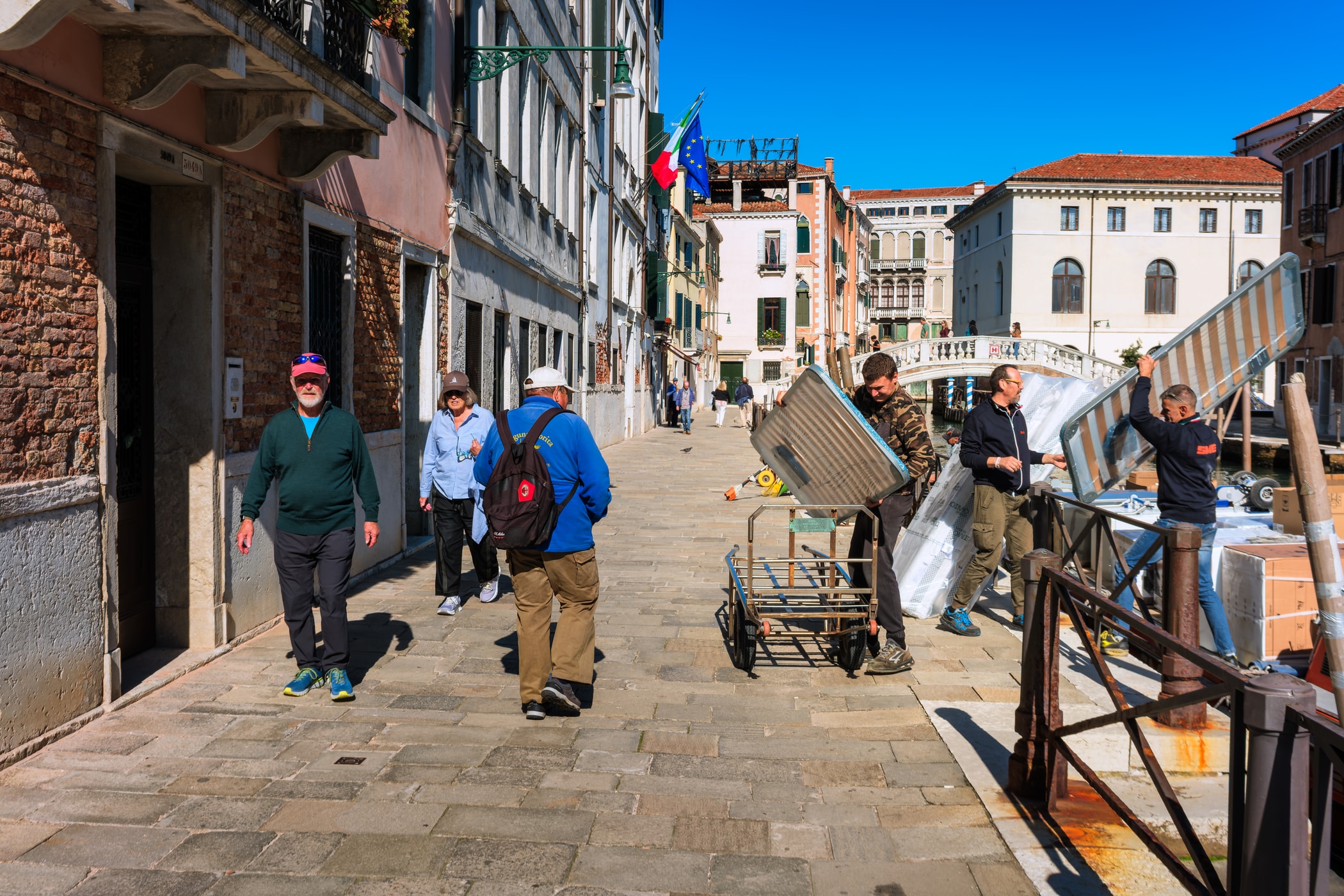 38
38 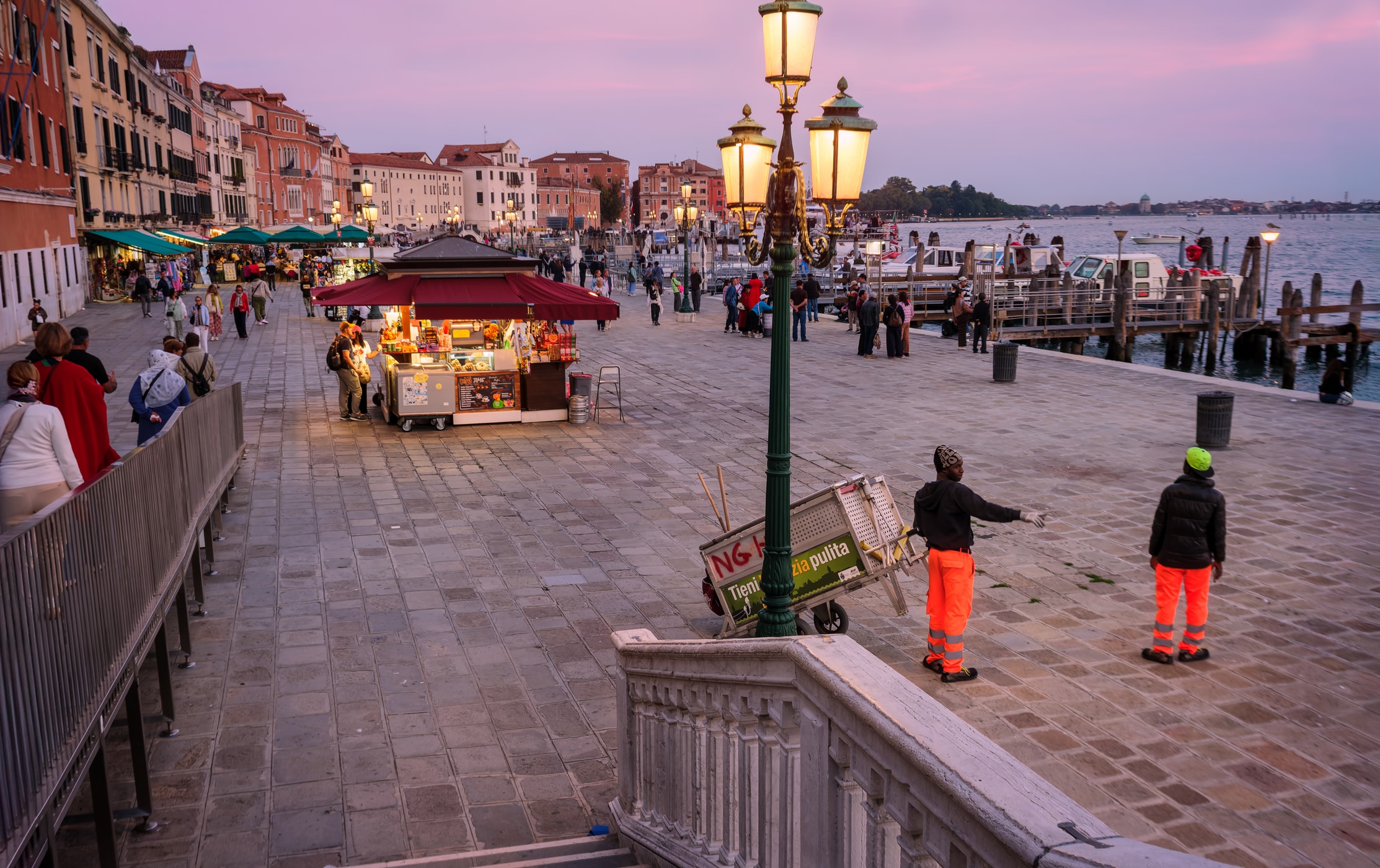 39
39 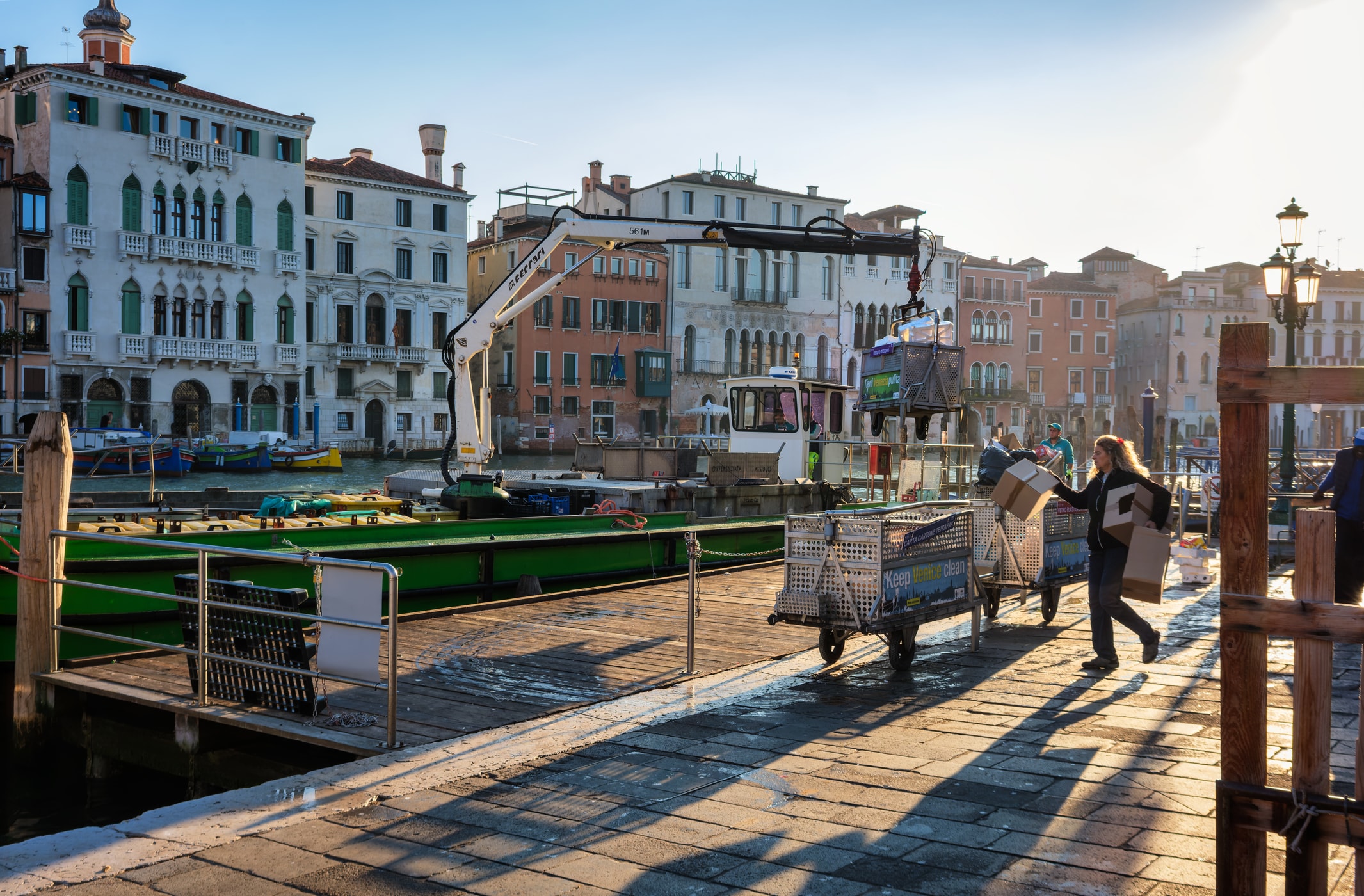 40
40  41
41 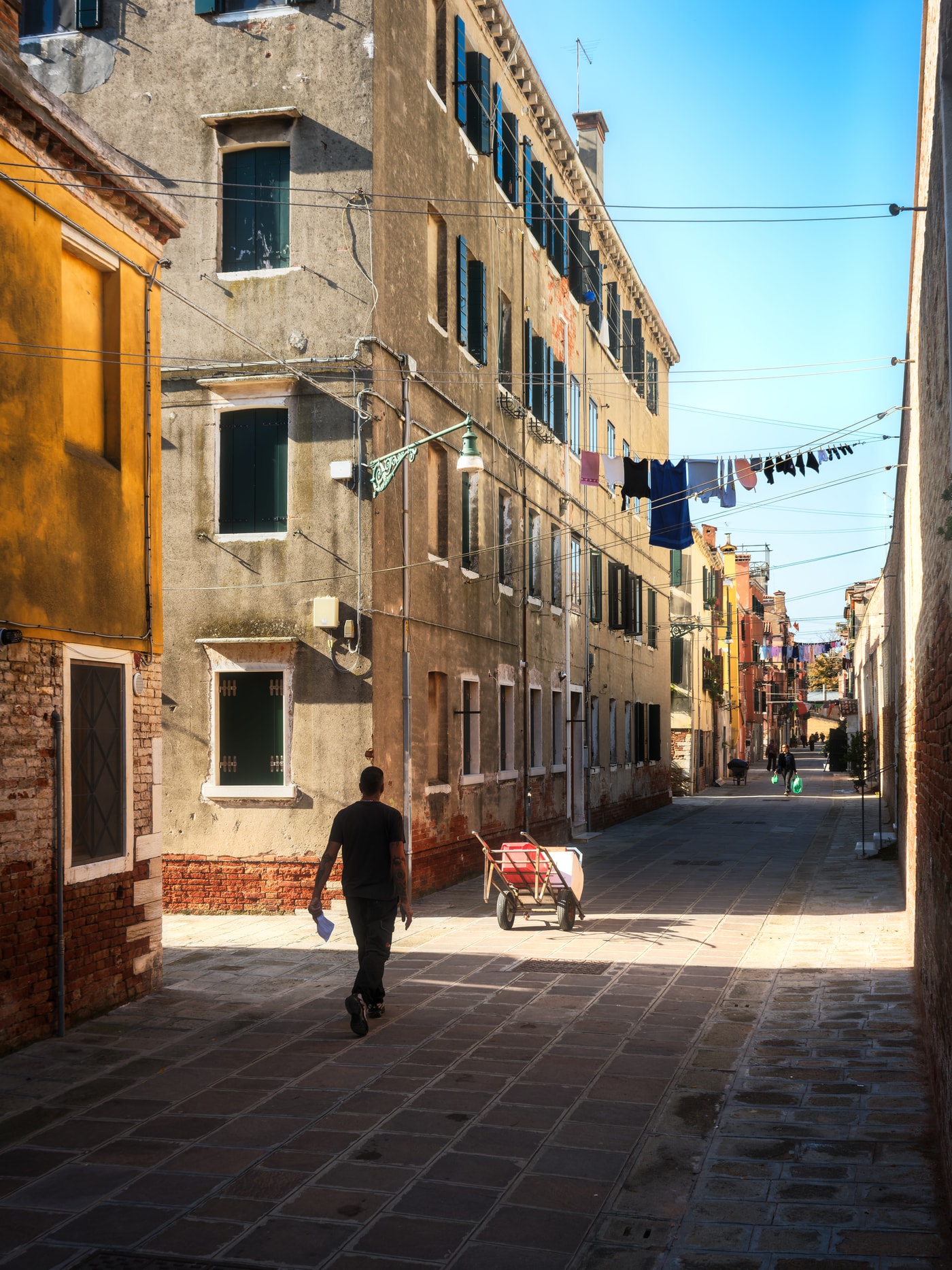 42
42 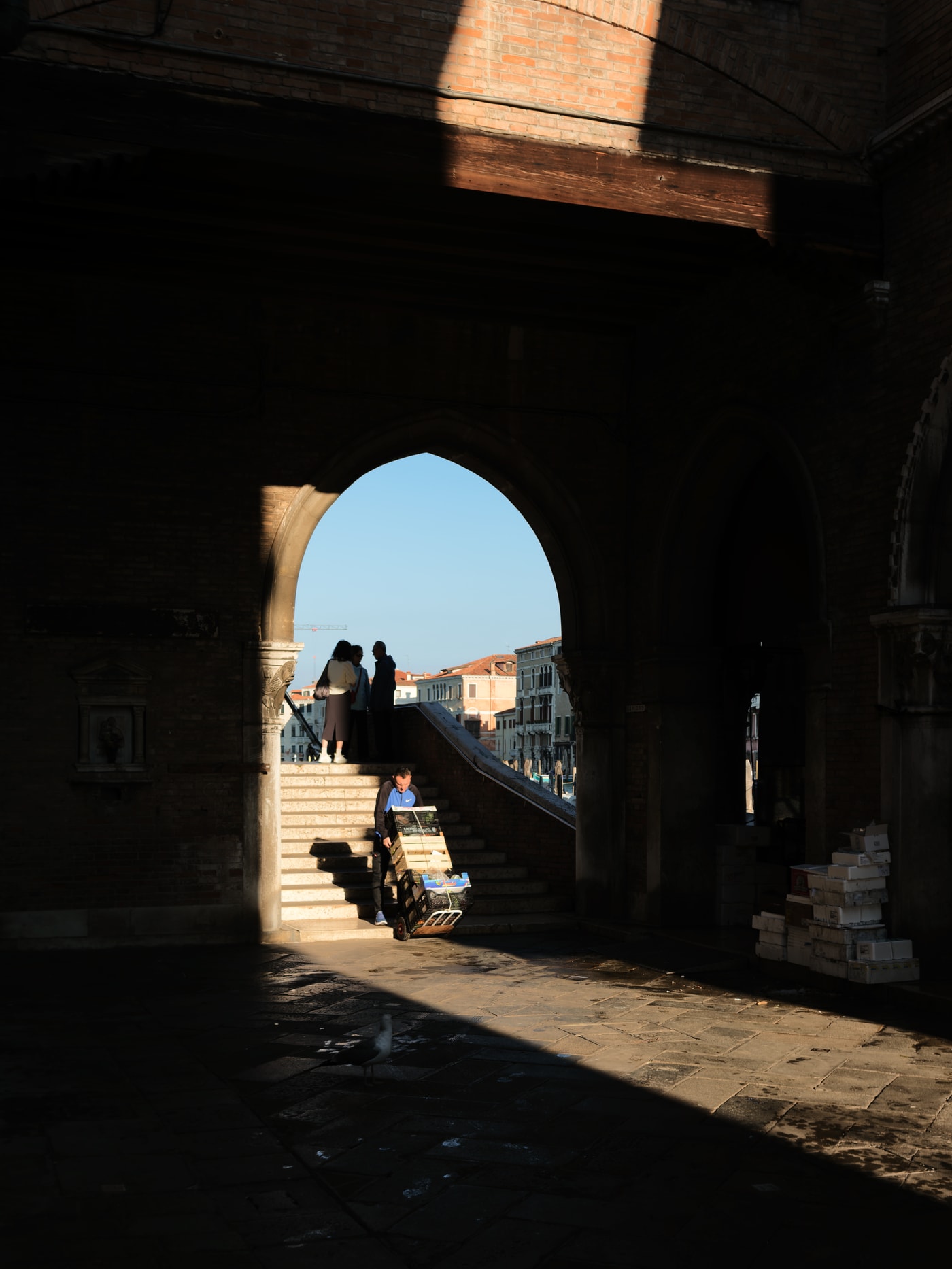 43
43 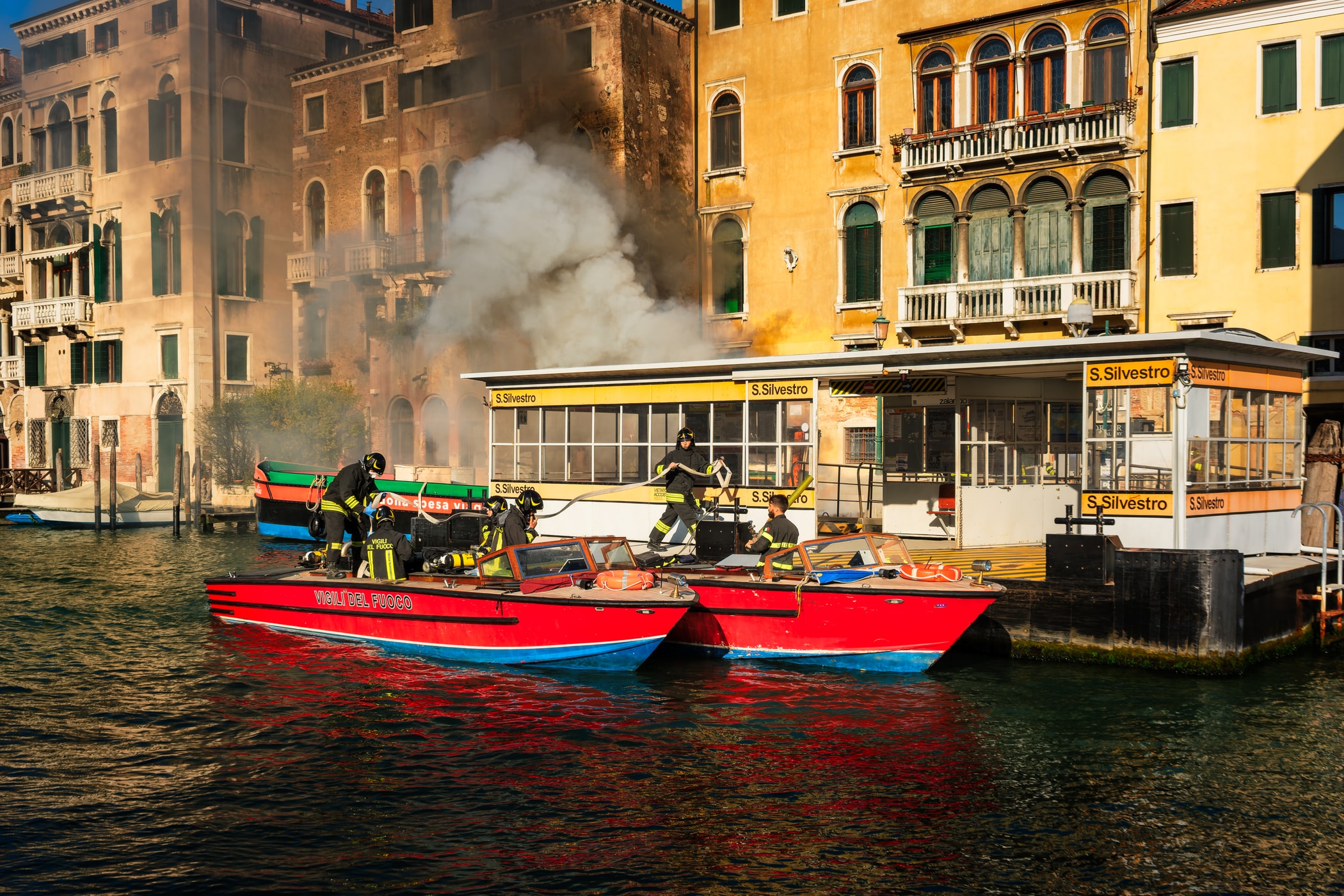 44
44 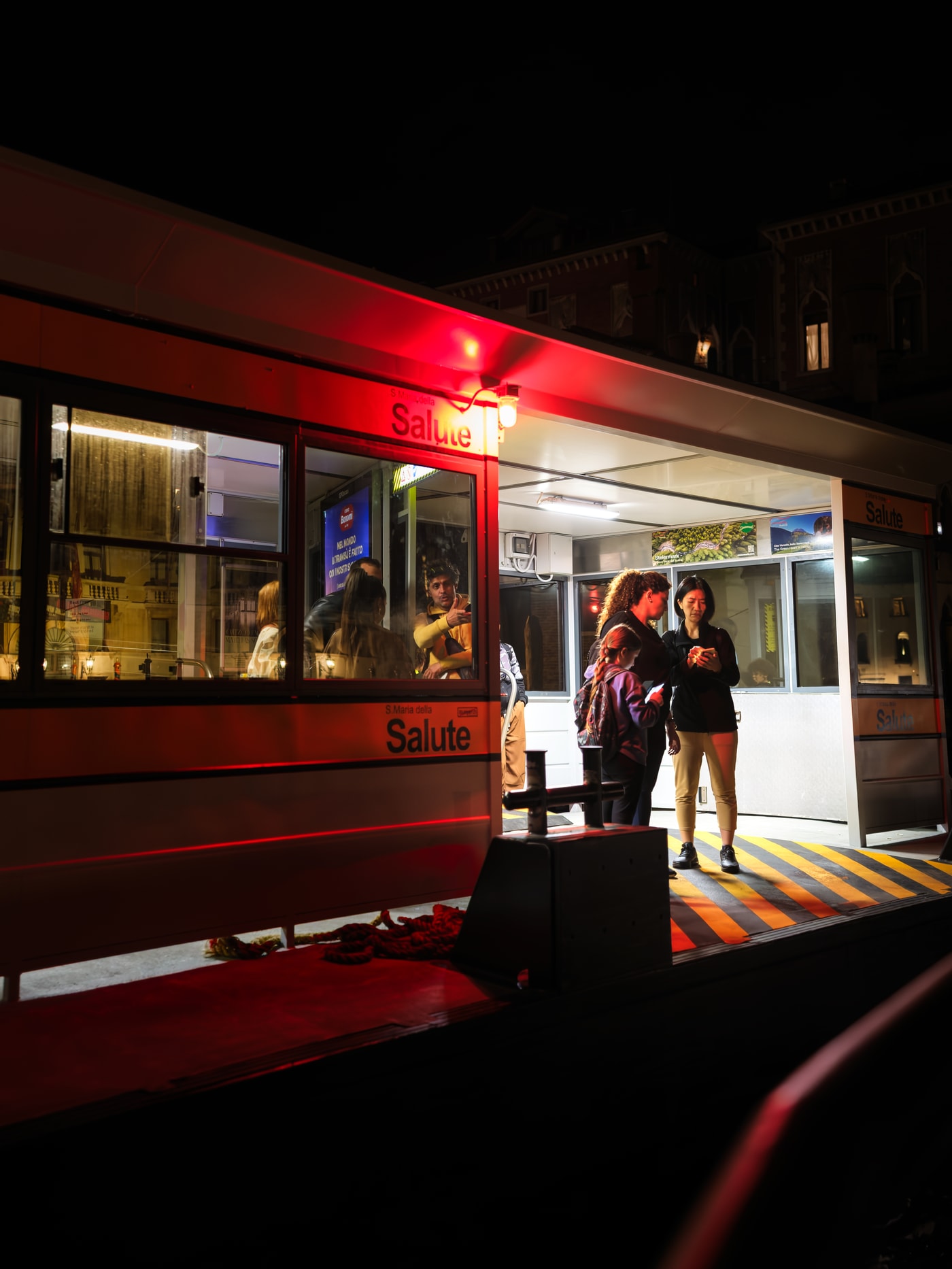 45
45 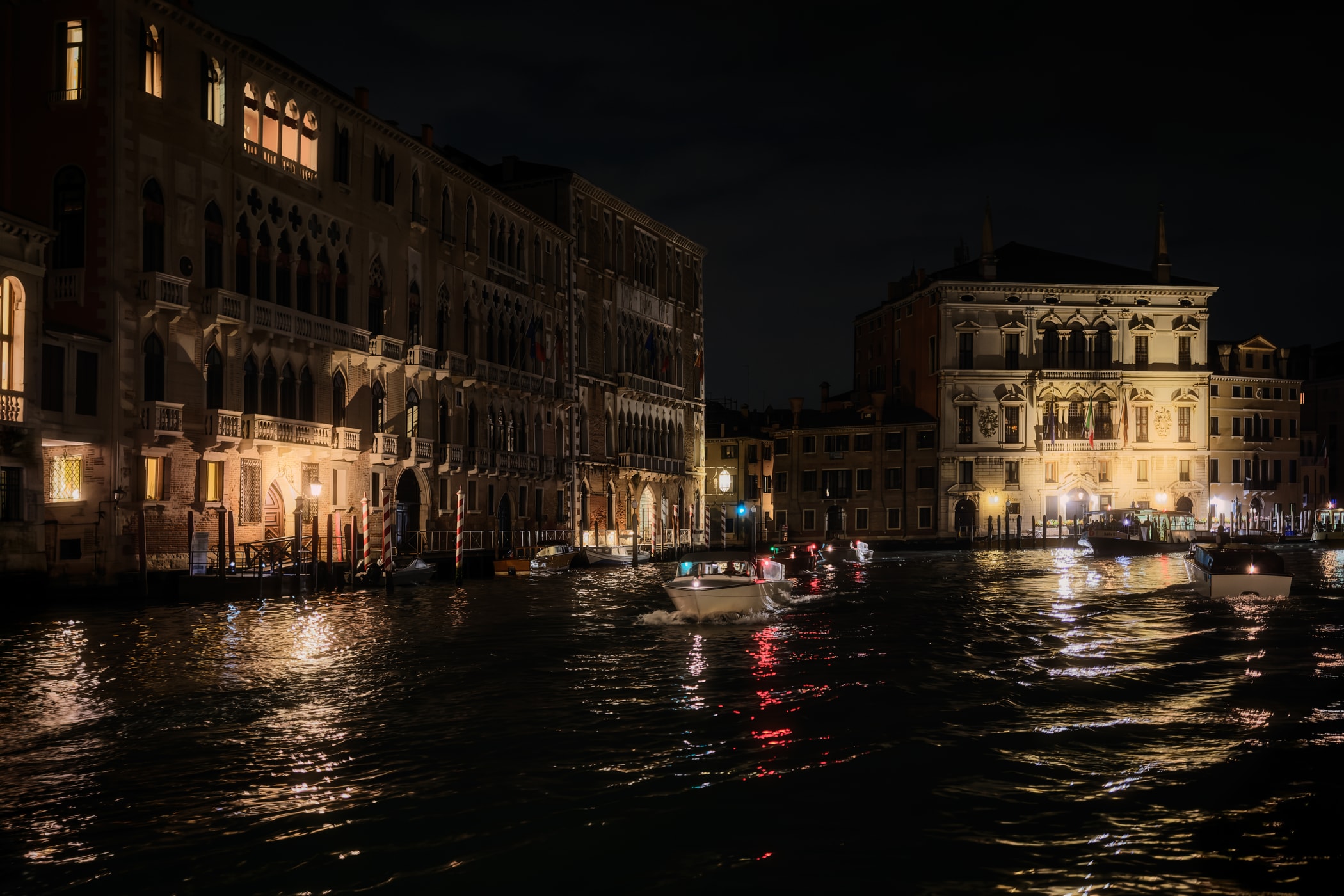 46
46 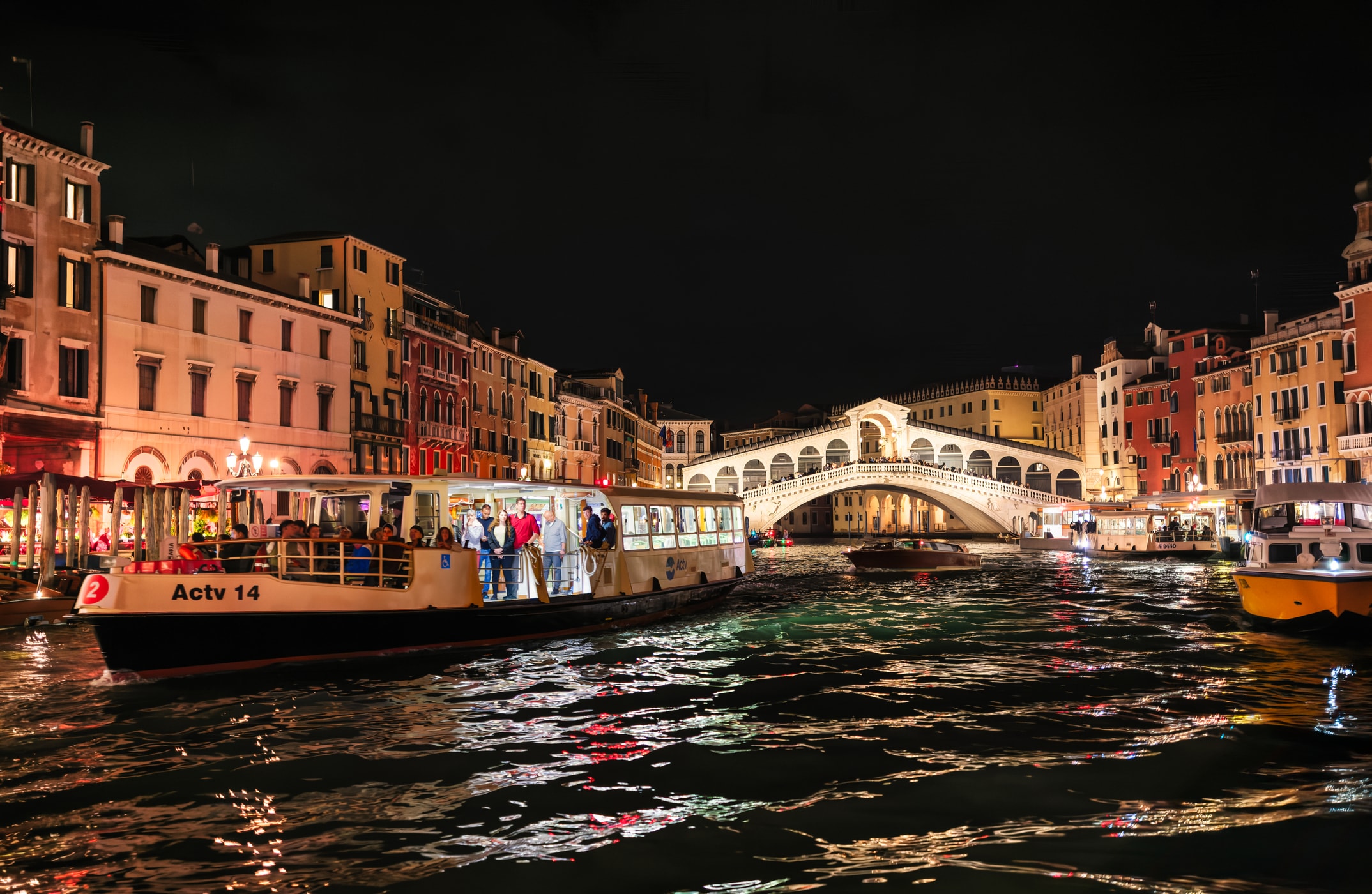 47
47 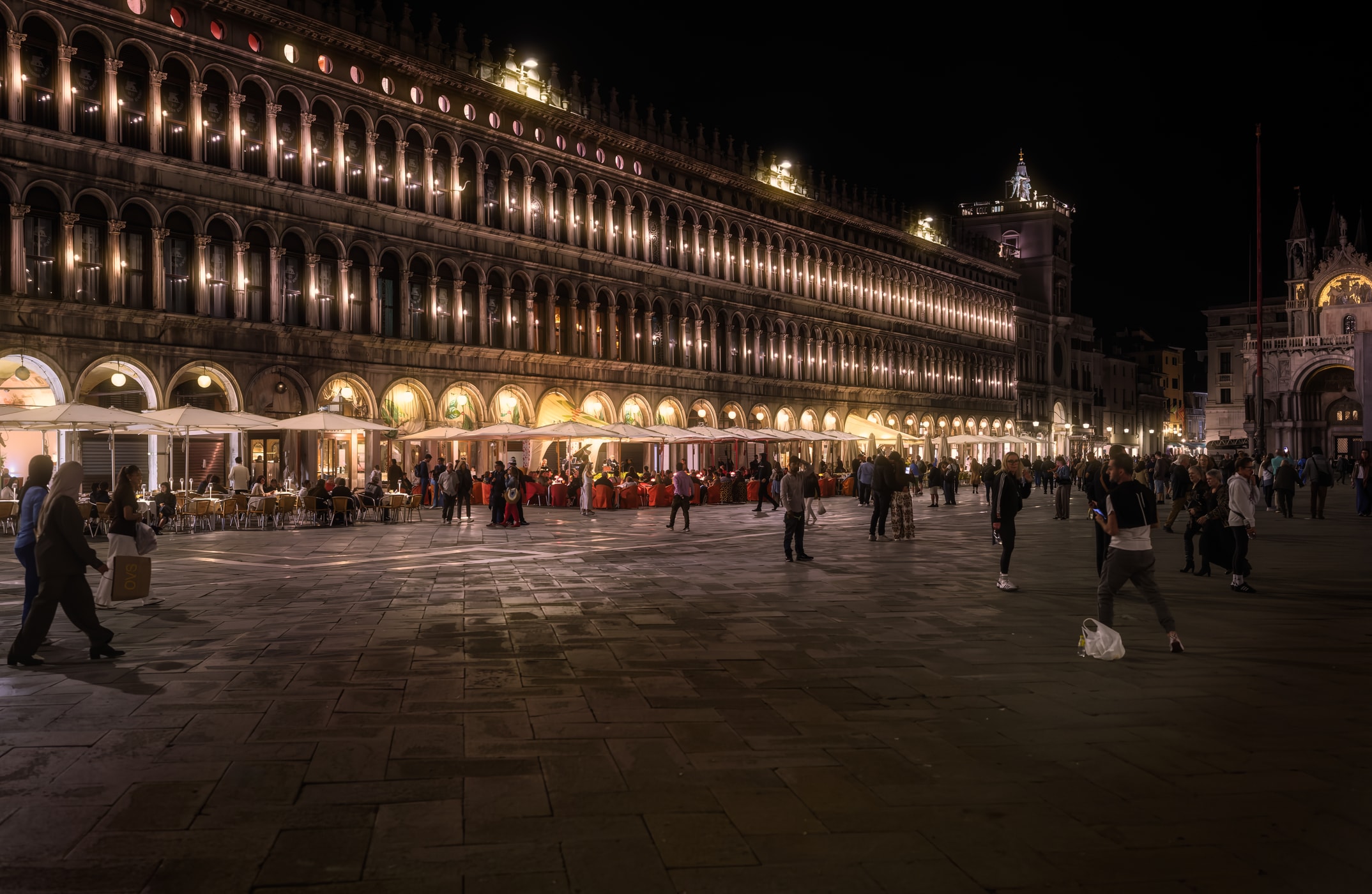 48
48 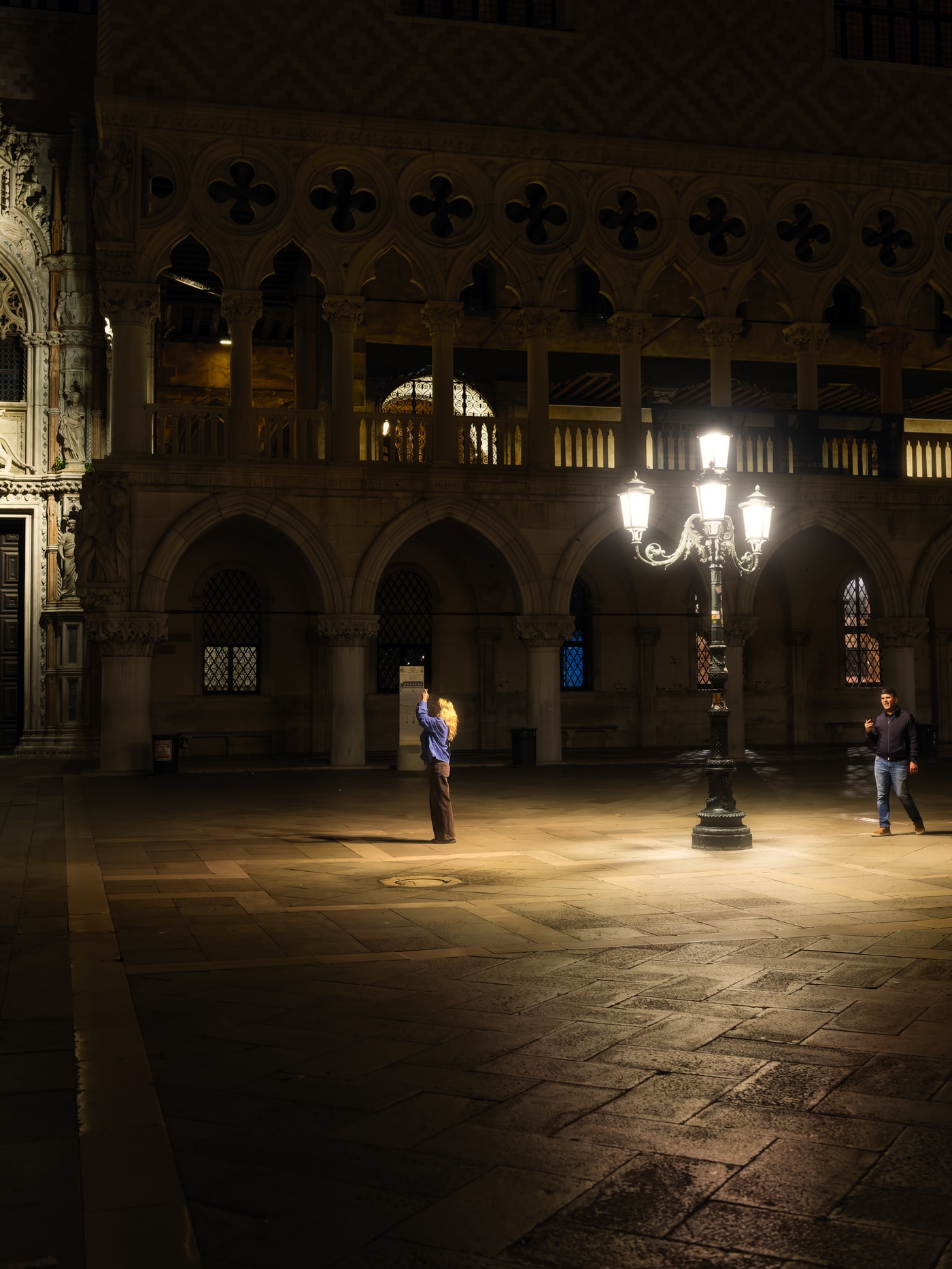 49
49 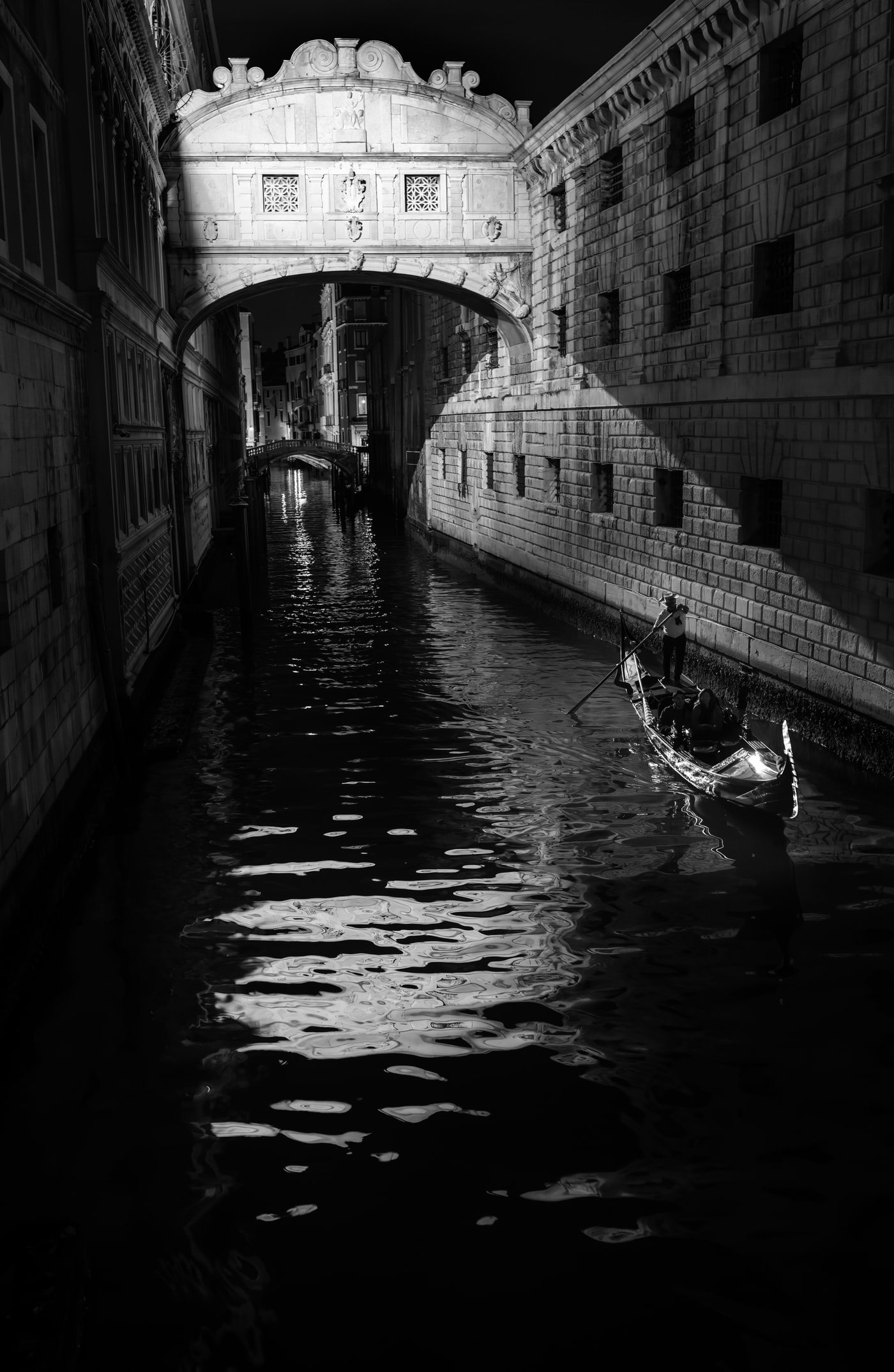 50
50 Welcome to Venice, a living panopticon where contradictions breathe and worlds perpetually collide. This is a city that exists in constant tension with itself, a place where beauty and chaos have learned to waltz together in the narrow spaces between water and stone.
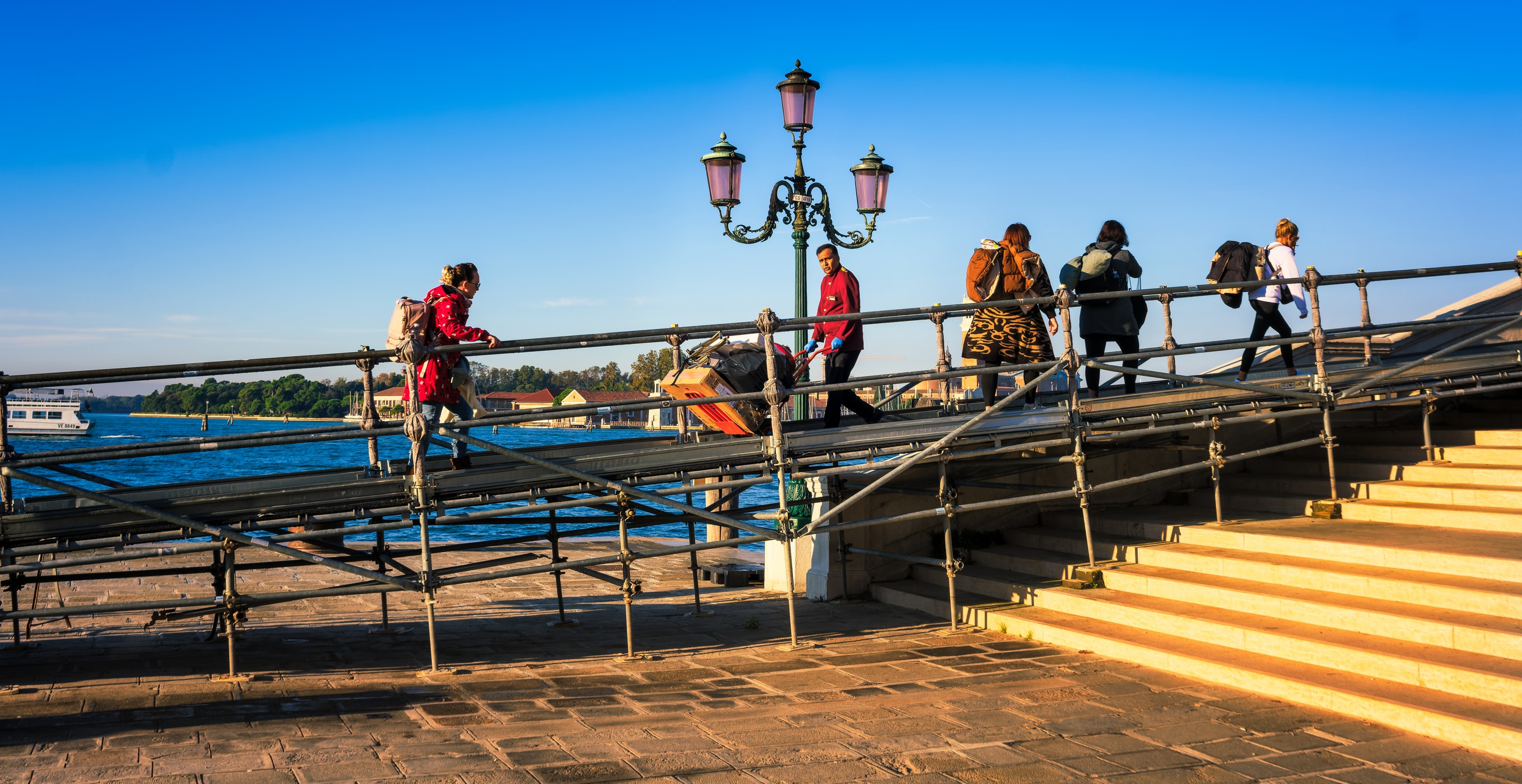
The relentless surge of mass tourism, that great human tide that never truly ebbs. Here they come, dragging oversized rolling suitcases over a thousand arched bridges, the wheels clattering against steps never meant for such indignities. The calli — those narrow medieval arteries — become choked with slow-moving rivers of humanity, an endless procession pushing through passages barely wide enough for two to pass. And always, lurking in the margins, those who have learned to profit from wonder: overpriced gondoliers, restaurant touts with laminated menus, mask vendors peddling mass-produced mystique, even the occasional three-cup hustler working his ancient shell game on a cardboard box. The entire ecosystem of exploitation, performing its daily theater against a backdrop of Byzantine domes and Renaissance palaces.
Yet somehow, impossibly, beneath this cacophony, the sublime city herself persists. This is the Venice that poets and painters have tried to capture for centuries — the one that made her famous and now, paradoxically, threatens to drown her in admirers. At dawn and dusk, when day-trippers retreat to their cruise ships, something extraordinary happens. The city exhales. Light transforms into liquid gold, pouring across canal surfaces, igniting palazzo facades in amber and rose. Shadows deepen in doorways that have witnessed five hundred years. In these liminal moments, you can almost hear the whisper of what Venice once was.
The city's greatest peculiarity — her absence of streets, and therefore the blessed absence of cars — reveals itself not as limitation but as revelation. Life here operates by different rules. Watch the garbage collectors navigate their boats through the dawn stillness, performing their unglamorous ballet of necessity. Observe the vaporettos tracing their patient routes along liquid boulevards, working vessels carrying Venetians to jobs while tourists snap photos of "charming water buses." Notice how laundry hangs between buildings like prayer flags, how tiny gardens cling to crumbling walls, how the entire city becomes an acoustic chamber playing an ever-changing composition.
And if you look carefully — if you train your eye to see beyond the obvious — you'll find them: actual Venetians. They're sitting in squares catching the October sun, gossiping at café tables, conducting the small rituals of daily life with quiet defiance. They walk with purpose while everyone else wanders in wonder, moving through the labyrinth with the confidence of those who know every turning, every shortcut. In autumn especially, when summer's hordes have retreated, these residents reclaim their city and simply live, refusing to become merely backdrop to someone else's vacation.
Venice is not one city but many, occupying the same impossible space. She is the postcard and the reality behind it, the dream and the difficult truth, the museum and the living neighborhood. For the patient observer, she offers everything: heartbreak and wonder, vulgarity and transcendence, the comedy of human behavior and the tragedy of impermanence.
The photographs in this book capture this multiplicity. They were taken during one October week in 2025 — four days of wandering, watching, and waiting for those moments when the city reveals herself. Not the Venice of brochures and romantic fantasies, but the real Venice: complicated, contradictory, magnificent, maddening, and utterly irreplaceable. This is what the attentive eye discovers. This is what Venice offers to those who truly look.